
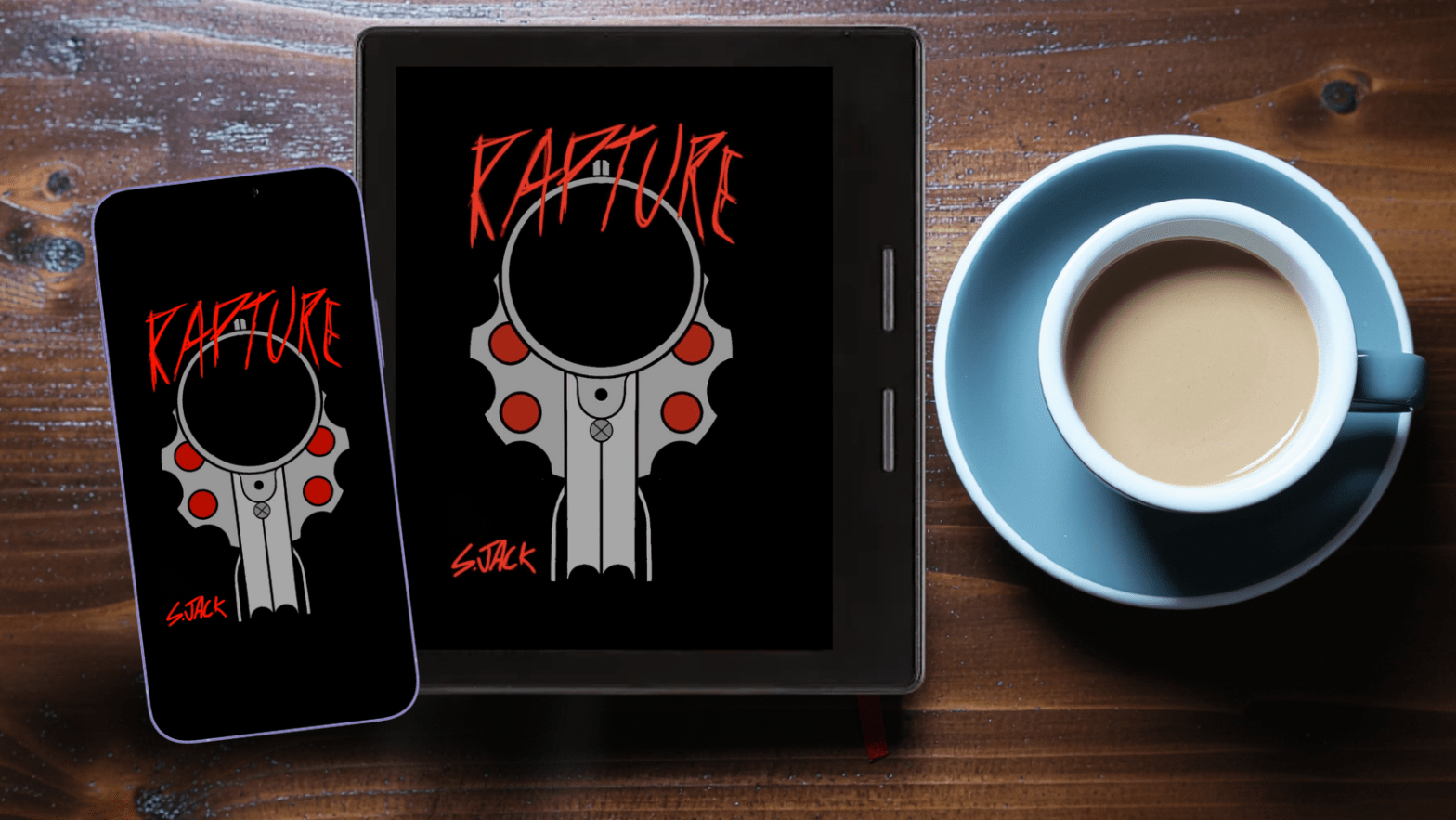
In the shadowy corners of indie literature, where existential dread collides with the raw grit of human frailty, Steffen Jack’s novella Rapture stands as a haunting beacon. Spanning just 174 pages, this literary gem blends elements of existential horror, speculative allegory, and literary fiction. It’s far from your typical end-times thriller; instead, it delves into the deeply personal apocalypses we create for ourselves. Drawing from Jack’s eclectic background, growing up in the midst of alternative spiritual practices and cults, and working blue-collar jobs across the U.S., Rapture emerges as an unflinching exploration of addiction, isolation, and the grueling quest for recovery. For readers weary of formulaic horror, this book delivers a visceral punch that lingers long after the final page.
Plot Overview: A Descent into Personal Hell
Without delving into spoilers, Rapture follows Jim, an aging alcoholic teetering on the edge of oblivion in a rust-belt city gripped by winter’s chill. The world around him is unraveling: a suicide cult has allegedly opened a portal to Heaven, luring humanity into a mass exodus of self-annihilation disguised as transcendence. Amid this bizarre societal collapse, Jim battles his own demons: drunken blackouts, unexplained injuries, empty bullet casings, and insidious whispers that hint at an impending reckoning. His ill-fated reunion with his high school ex-girlfriend, Natalie, accelerates his downward spiral, forcing him to confront buried secrets and the inescapable pull of his destructive nature.
The narrative masterfully intertwines this speculative premise with a deeply introspective tale, using the external “rapture” as a metaphor for internal torment. It’s a story of lost souls navigating both literal and figurative hells, where the horror lies not in supernatural spectacles but in the quiet, relentless erosion of the self. Jack builds tension through fragmented episodes, creating a sense of claustrophobia that mirrors Jim’s trapped existence. At times, it evokes echoes of Dante’s Purgatory, but with prose that is far more accessible and immediate.

Characters: Flawed Souls in Sharp Relief
At the heart of Rapture is Jim, a protagonist who is deliberately unlikable. A loner, a loser, and an alcoholic, he is alienated from everyone except his parents and lifelong friend, Tony. Jack intentionally crafts Jim as a vessel of self-loathing and regret, embodying the isolation and poor choices that define addiction. Readers may initially struggle to empathize with him, but this is precisely the point: Jim’s flaws are laid bare, making his journey both inevitable and tragic.
Supporting characters like Tony and Natalie serve as mirrors to Jim’s brokenness, highlighting themes of codependency and failed relationships. Their interactions, laced with terse dialogue, reveal more through what is left unsaid. Jack avoids sentimentality, presenting these figures as extensions of Jim’s fractured world rather than fully fleshed archetypes. This approach amplifies the novella’s bleak atmosphere, making the characters feel authentically damaged yet hauntingly real.
Themes: Addiction, Despair, and the Shadow of Recovery
At its core, Rapture is an allegory for addiction’s grip. A slow, self-inflicted demise that parallels the cult’s mass ascension. Jack portrays substance abuse not as a villainous force but as an insidious companion, leading to a personal hell of regret and isolation. Themes of lost souls and existential horror dominate, questioning whether recovery and redemption are possible when one is forced to confront their demons. The suicide cult serves as a societal parallel, critiquing blind faith and escapism in the face of despair.
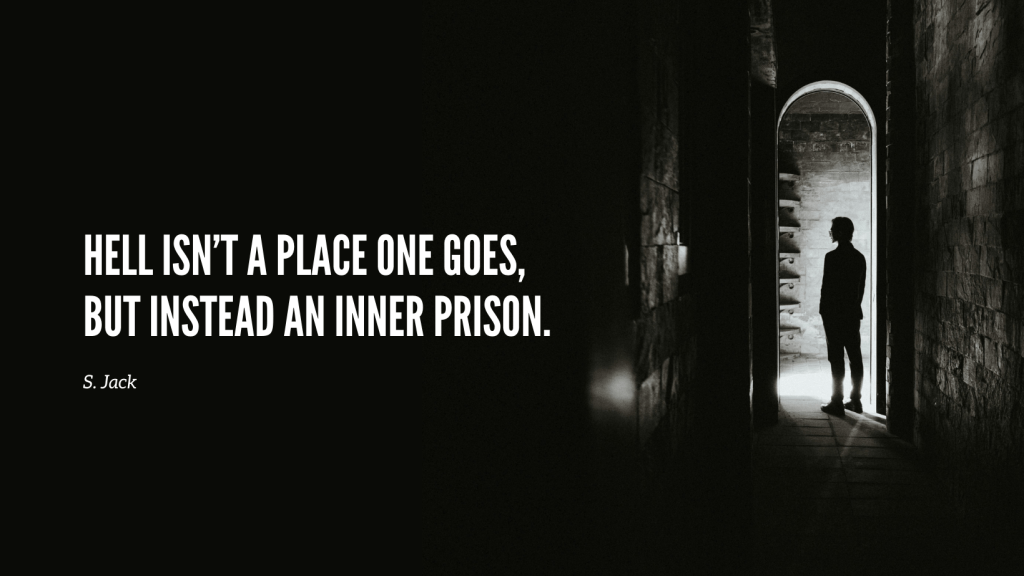
Drawing from his exposure to cults and alternative lifestyles, Jack critiques spiritual shortcuts, emphasizing that true reckoning comes from within. As he sadly states, “Hell isn’t a place one goes, but instead an inner prison.” The novella reflects on human darkness, evoking comparisons to filmmakers like David Lynch and Lars von Trier, in which the terror is psychological rather than overt. Jack’s exploration of insanity and its paralyzing grip makes Rapture a potential eye-opener for those in recovery.

Jack’s Writing Style: Curt, Bleak, and Unforgiving
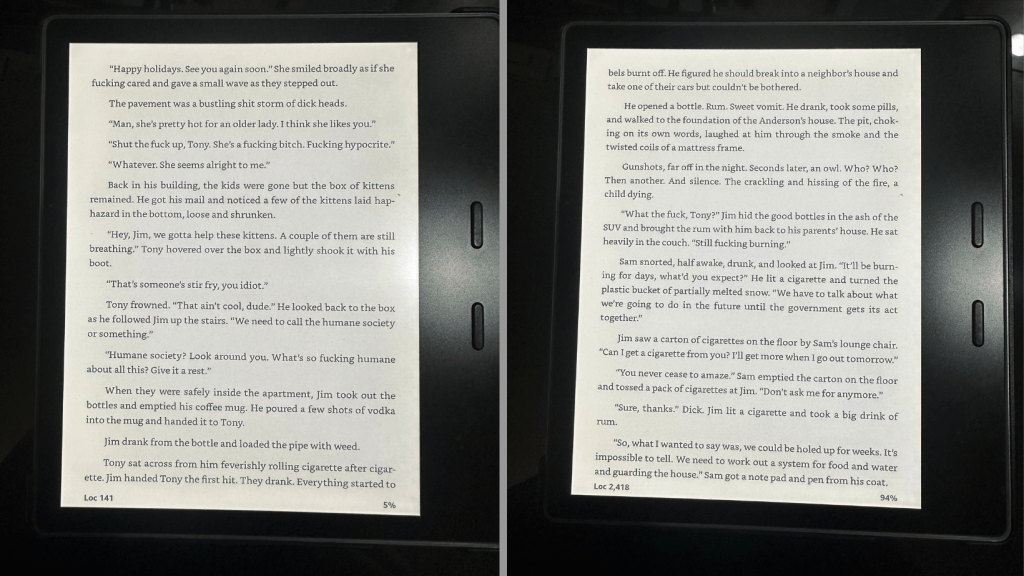
Steffen Jack’s prose is a standout feature, defined by its desperate curtness and bleak tone. Sentences are short and fragmented, creating a jarring rhythm that mirrors Jim’s disjointed psyche. This style is both effortless and impactful, with crisp dialogue, a strong sense of atmosphere, and a Hemingway-esque “show, don’t tell” approach. It’s gritty and dark, often claustrophobic, using repetitive, disturbing imagery to evoke a sense of oppression.
Jack’s background as a landscaper and farm laborer infuses the writing with a working-class authenticity, avoiding flowery language in favor of raw, unflinching frankness. The novella’s brevity heightens its impact, making every word count. Fans of Bukowski’s unvarnished realism or Philip K. Dick’s speculative mind-bends will find Jack’s style a natural evolution: atmospheric, introspective, and relentlessly bleak.
Why Rapture is a Must-Read
In an era dominated by polished bestsellers, Rapture is a breath of fresh air for its raw authenticity and unflinching dive into human disorder. It’s essential reading for fans of existential horror who crave stories that linger, provoking reflection on personal demons and societal escapes. The story is fast-paced, hard to put down, and deeply haunting. For those who have battled addiction or simply appreciate dark, character-driven tales, this novella offers both release and insight. As Jack himself admits, “I initially wrote it as a form of catharsis, as a way to process and banish my demons of alcoholism. It was never meant for public consumption.”
Rapture leans toward dirty realism, yet ultimately offers a glimmer of hope …. a reminder that facing the abyss can be transformative.
Don’t miss this under-the-radar novella; it’s the kind of book that reshapes your shadows.
Rapture is available in Kindle format at www.amazon.com/Rapture-Steffen-Jack-ebook/dp/B007GQZ0GA.

Justine Castellon is a brand strategist with an innate ability to weave compelling narratives. She seamlessly blends her professional insight with her passion for literature. Her literary works include romantic drama novels—Four Seasons, The Last Snowfall, Gnight Sara / ‘Night Heck, and I Love You, Sunday Sunset. With her ability to tell stories that linger long after the last word, Justine leaves a mark not only in the world of branding but also in the hearts of her readers.




 Just Reading Nook