
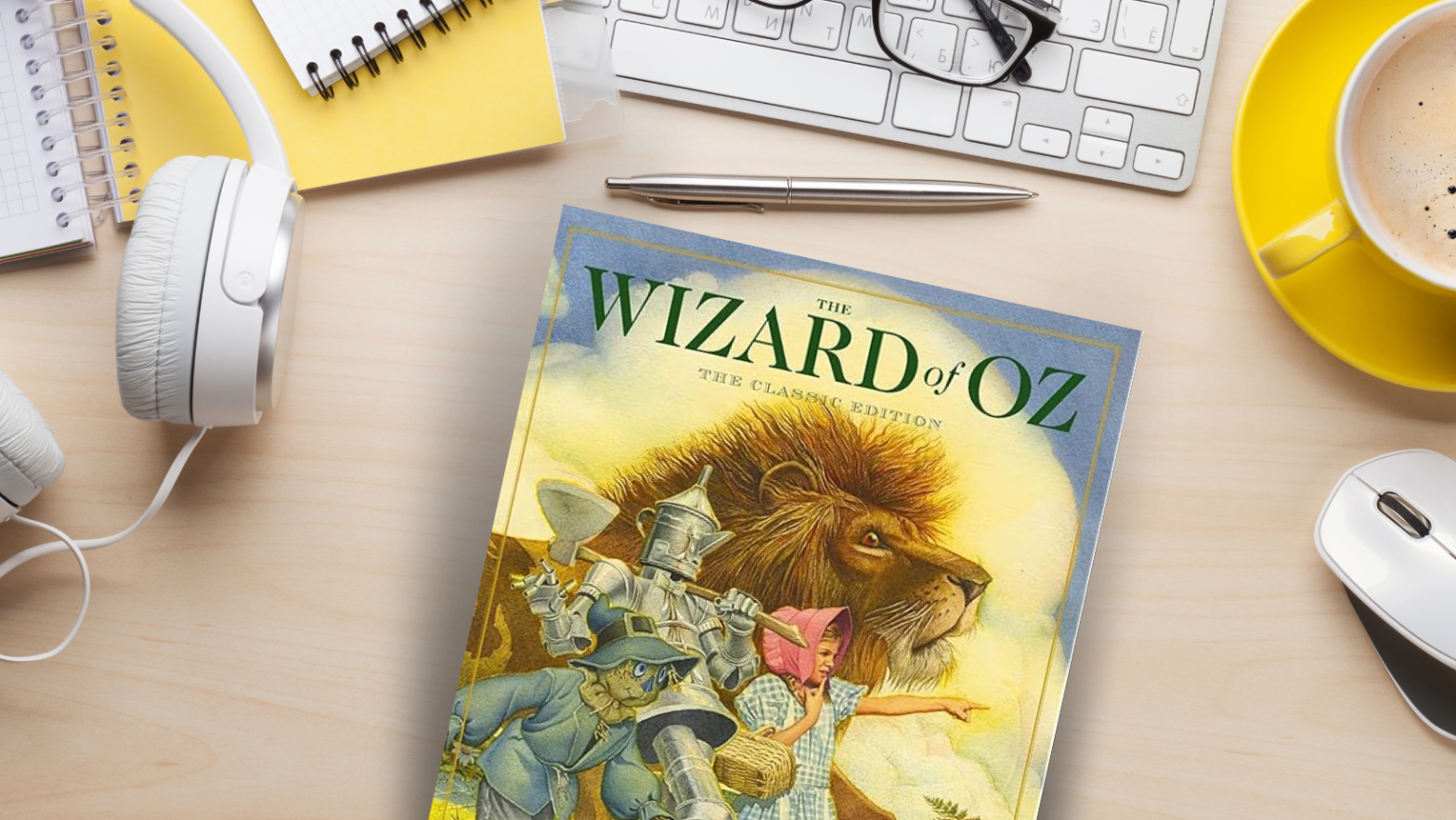
A Guide to Reading The Wizard of Oz with Your Child
When I set out to find the perfect book for my granddaughter, Alex — yes, you heard that right, my nephew Bryan married young and made me a grandmother sooner than expected — I knew that meeting Dorothy was nonnegotiable. L. Frank Baum’s The Wonderful Wizard of Oz simply called out as a rite of passage, a story every curious heart should meet. But that left me wondering: how do you help a nine-year-old … maybe even the nine-year-old still inside you, step into this classic and see it not as a relic, but as an adventure buzzing with life?
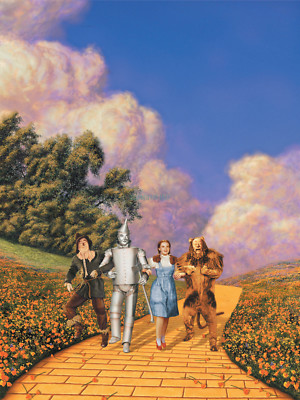
Imagine a world painted not in familiar colors, but in the colorful adventure itself. A place where a simple country road, paved in brilliant yellow, winds through enchanted lands toward a city of emeralds. This is the world that awaits within the pages of The Wonderful Wizard of Oz, a journey that has charmed readers for generations. It isn’t just a story; it’s an invitation to explore the landscapes of courage, friendship, and the surprising power found within ourselves.
Guiding a young reader down this magical path can be a remarkable adventure for you both. With a little creativity, you can open the door to Oz and make it an unforgettable experience.
“There’s no place like home.”
Setting the Stage for Adventure
Before they even open the book, build a sense of wonder. Don’t just summarize the plot; whisper its secrets. You could say something like this:
“Imagine being swept away by a powerful cyclone, not to a place of fear, but to a land of strange beauty and curious people. You land in a country of tiny, cheerful folks, but your only wish is to find your way home. The only one who can help is a great and powerful wizard who lives in a sparkling green city, a long journey away. To get there, you must follow a road of yellow brick, and along the way, you might just meet a scarecrow who wishes for a brain, a tin man who longs for a heart, and a lion who desperately wants courage.”
This approach doesn’t give everything away. Instead, it offers a glimpse of the quest, the mystery, and the unusual companions that make the story so fascinating. It plants a seed of curiosity that will blossom as they read.
Bringing the Characters to Life
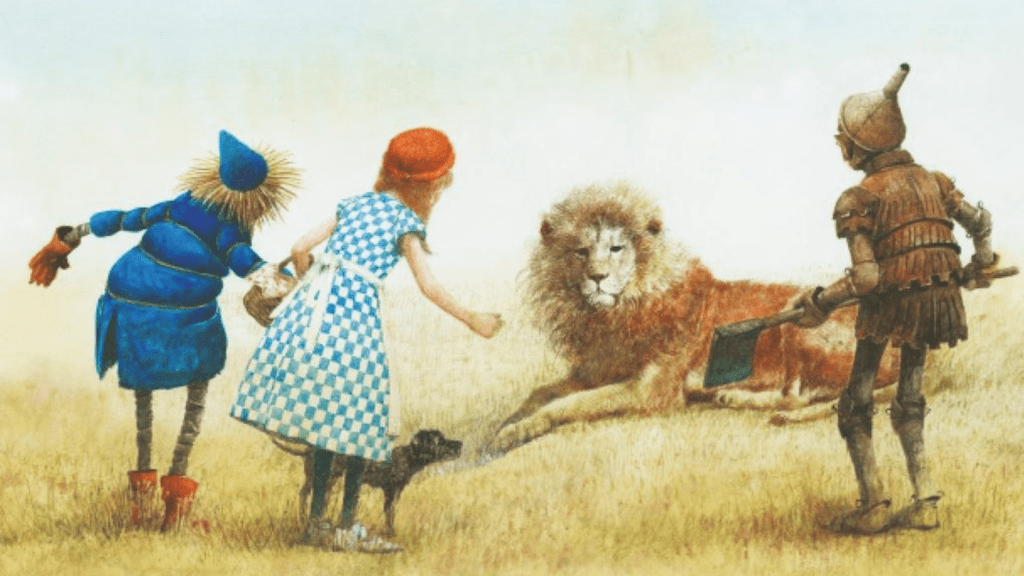
The heart of the story beats within its characters. Help your child connect with them not just as figures on a page, but as friends on a shared journey.
- Meet the Travelers: Introduce Dorothy not just as a girl in ruby slippers, but as someone who is brave even when she’s scared, much like they might be. Talk about the Scarecrow, who proves that you don’t need a physical brain to be clever. Discuss the Tin Woodman, whose compassion shows that a heart is about how you act, not what you’re made of. And explore the Cowardly Lion, who demonstrates that true courage isn’t the absence of fear, but facing it head-on.
- Act it Out: Dedicate an afternoon to pure play. Push back the furniture and act out a scene. Can you recreate the moment the Scarecrow first tumbles off his pole? Or the group’s fearful steps through the dark forest? Letting kids physically embody the characters allows them to feel their hesitations and triumphs in a tangible way.
A Gallery of Oz: Set up an art station. Encourage them to draw or paint their own versions of the characters and settings. What does their Munchkinland look like? How imposing is their Wizard? This creative outlet helps them visualize the world in their own unique style, making it personally theirs.
Making the Journey Relatable
While Oz is a fantasy, its themes are deeply human and timeless. Connect the story’s core ideas to your child’s own world.
Discuss what it means to be brave. Ask, “When have you felt like the Cowardly Lion? What did you do?” Talk about the importance of friendship and how Dorothy, the Scarecrow, the Tin Woodman, and the Lion all help each other on their quest. You can relate their journey to a team project at school or helping a friend who is having a tough time. The quest for home can also spark a conversation about what “home” truly means—is it just a place, or is it the feeling of being with people you love?
There are many reasons why this book
Sparking Lasting Curiosity
Keep the magic alive even when the book is closed. A few simple activities can extend the adventure and deepen their appreciation for the story.
- Book vs. Movie: After finishing the book, watch the classic 1939 film. This opens up a world of discovery. Discuss the differences. Why do you think the slippers were changed from silver to ruby? What characters or scenes were left out of the movie? This teaches critical thinking and shows how one story can be told in many ways.
- A Yellow Brick Road Scavenger Hunt: Create a simple scavenger hunt around your home or yard. Leave clues that lead your child on a “quest” to find something, just as Dorothy followed the road to the Emerald City. Each clue can be tied to a character or event from the book.
Embarking on the journey to Oz is a rite of passage. By turning it into an interactive and imaginative experience, you do more than just encourage reading. You give your child a map to a world where anything is possible, teaching them that the brains, heart, and courage they seek are often inside them all along.

What’s the Difference between The Wonderful Wizard of Oz and The Wizard of Oz?
The Wonderful Wizard of Oz (1900)
- What it is: A children’s novel by L. Frank Baum.
- Publication: First published in 1900.
- Scope: Broader and more detailed.
- Tone & themes: A fairy-tale adventure with light satire, moral lessons, and political allegory (often debated).
- Key differences from the movie:
- Dorothy’s shoes are silver, not ruby.
- The Wicked Witch of the West is the main villain; the East witch dies immediately.
- The Scarecrow, Tin Woodman, and Lion each get more backstory and development.
- Oz is less dreamlike and more of a real, continuous world.
The Wizard of Oz (1939)
- What it is: A film adaptation produced by MGM.
- Fame: One of the most iconic movies in cinema history.
- Scope: More streamlined for film.
- Tone & themes: Emphasizes home, friendship, and optimism.
- Notable changes:
- Ruby slippers (chosen to showcase Technicolor).
- Strong framing device: Oz as Dorothy’s dream.
- Characters in Oz mirror people from Kansas.
- Songs like “Over the Rainbow” add emotional depth not present in the book.

Justine Castellon is a brand strategist with an innate ability to weave compelling narratives. She seamlessly blends her professional insight with her passion for literature. Her literary works include romantic drama novels—Four Seasons, The Last Snowfall, Gnight Sara / ‘Night Heck, and I Love You, Sunday Sunset. With her ability to tell stories that linger long after the last word, Justine leaves a mark not only in the world of branding but also in the hearts of her readers.



 Just Reading Nook