

I’ve never been one for book-to-film adaptations; they often miss the mark for me. I first read The Life List in 2014 when my daughter was thirteen, a pivotal age where dreams feel limitless. Back then, I found myself drawing parallels between Alex’s youthful ambitions and the dreams my daughter and I would talk about during long conversations. Fast forward eleven years, and my daughter is now creating her own life list as she lays the foundation for her future. Watching this film adaptation felt like revisiting those cherished moments. I wasn’t sure what to expect because I really like the novel, but the movie surprised me.
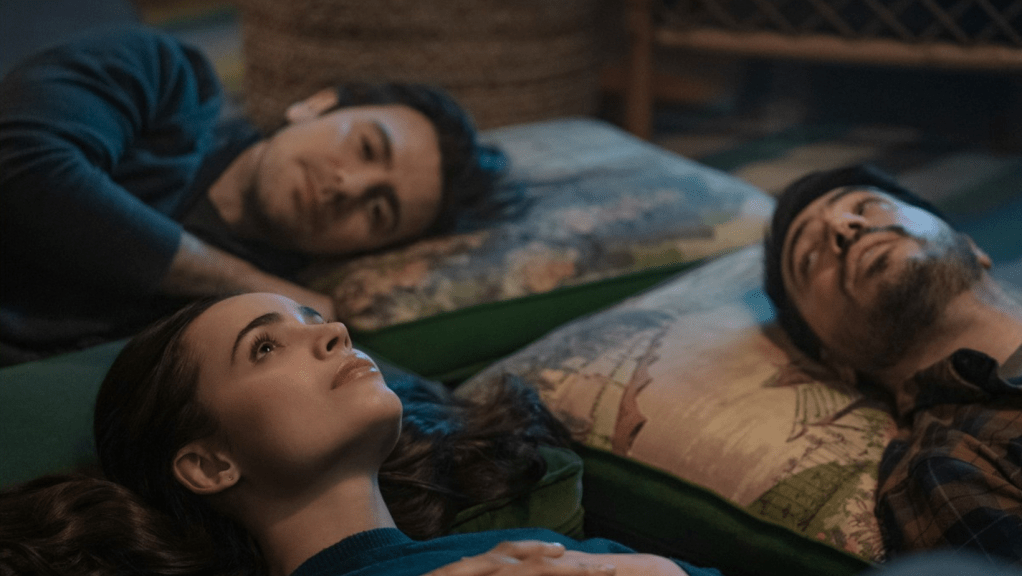
Based on Lori Nelson Spielman’s bestselling novel, The Life List starts with a bittersweet premise I found irresistibly charming. Alex Rose (played by Sofia Carson), an aimless thirty-something, inherits an unusual task from her late mother, Elizabeth (Connie Britton). Instead of securing her inheritance outright, Alex must complete her teenage “life list” of childhood dreams. With every goal she accomplishes, a DVD message recorded by her late mother unlocks, revealing emotional and often witty guidance from beyond the grave.


A Tale of Rediscovery
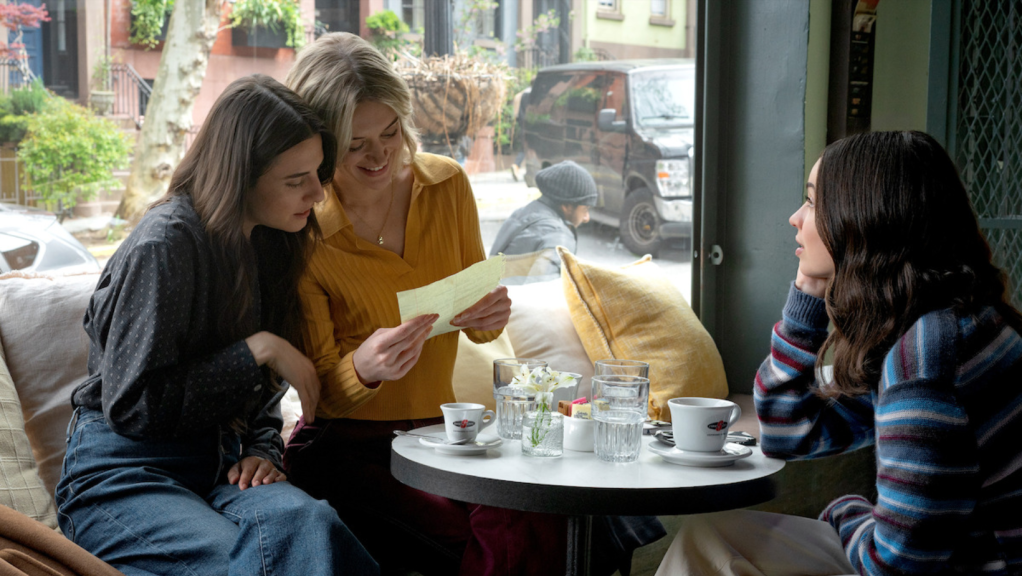
The story follows Alex’s hesitant yet eventually wholehearted attempts to tick off items on her life list. From crowd surfing at a mosh pit to rekindling her lost love for teaching, director Adam Brooks beautifully weaves an entertaining and reflective narrative. The plot doesn’t shy away from life’s complexities either, touching on strained familial ties, buried truths, and self-worth. Moments like Alex discovering her father’s hidden past or building a bond with a troubled student in a shelter resonated deeply with me, making me pause the film and reflect on my own family memories.
However, not every subplot got the attention it deserved. The strained father-daughter dynamic felt underdeveloped, and certain relationships wrapped up a little too neatly. Still, the life list as a symbol of unfulfilled dreams and self-discovery was something I could relate to, even across generations.
The Cast That Balanced Nostalgia and Charm
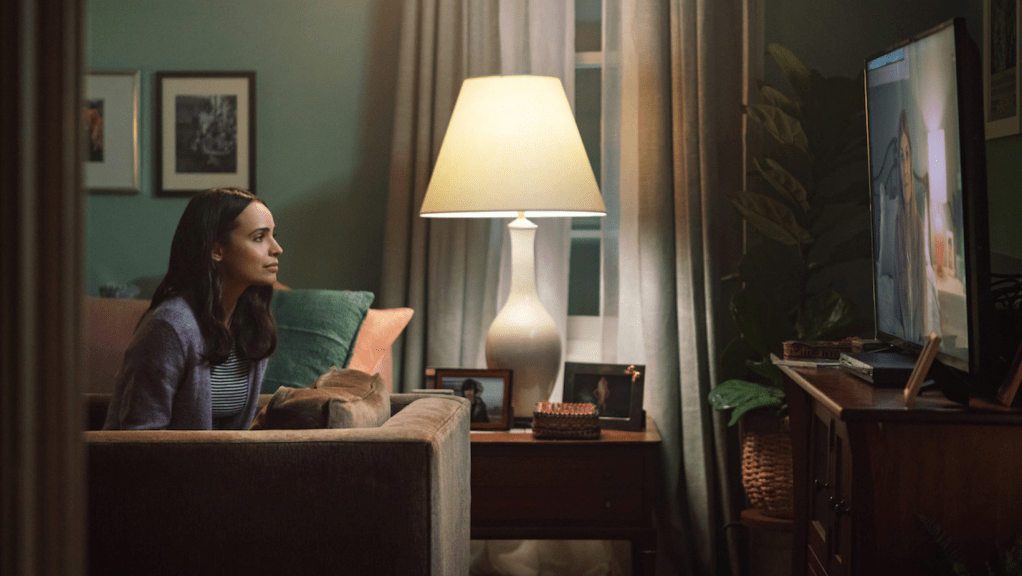
Sofia Carson’s portrayal of Alex feels so authentic. Carson’s blend of goofiness and vulnerability mirrors Alex’s struggles as she stumbles through the messiness of her life. She brought a grounded sincerity to a character juggling pain, joy, and the daunting task of starting over.
As Elizabeth, Connie Britton was the film’s emotional anchor, even in her absence. Her warmth and wisdom shone through in the recorded messages, each one filled with a mix of humor, motherly guidance, and longing that had me reaching for tissues by the second message.
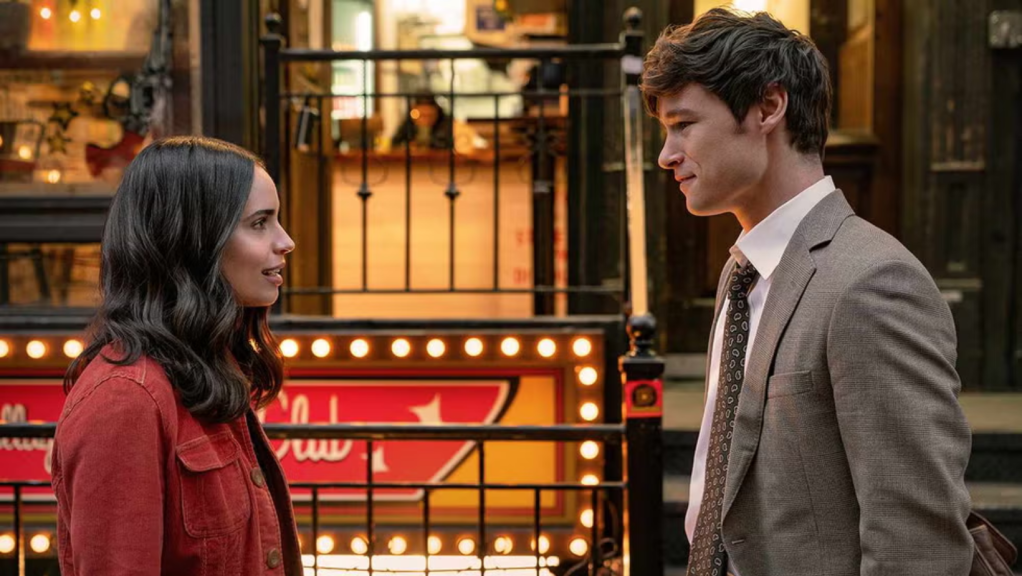
Kyle Allen’s portrayal of Brad, the endearing executor of Elizabeth’s will, added subtle depth to the story. His perfectly imperfect dynamic with Alex felt natural, avoiding the overdone clichés we often expect from romantic leads.
The ensemble cast also deserves a mention. Sebastian de Souza as Alex’s self-absorbed boyfriend, Garrett, offered a sharp contrast to Brad’s heartfelt sincerity, and Luca Padovan’s Ezra, the troubled student, captured the essence of youthful defiance while hinting at the power of connection.


Adapting the Novel With a Modern Twist
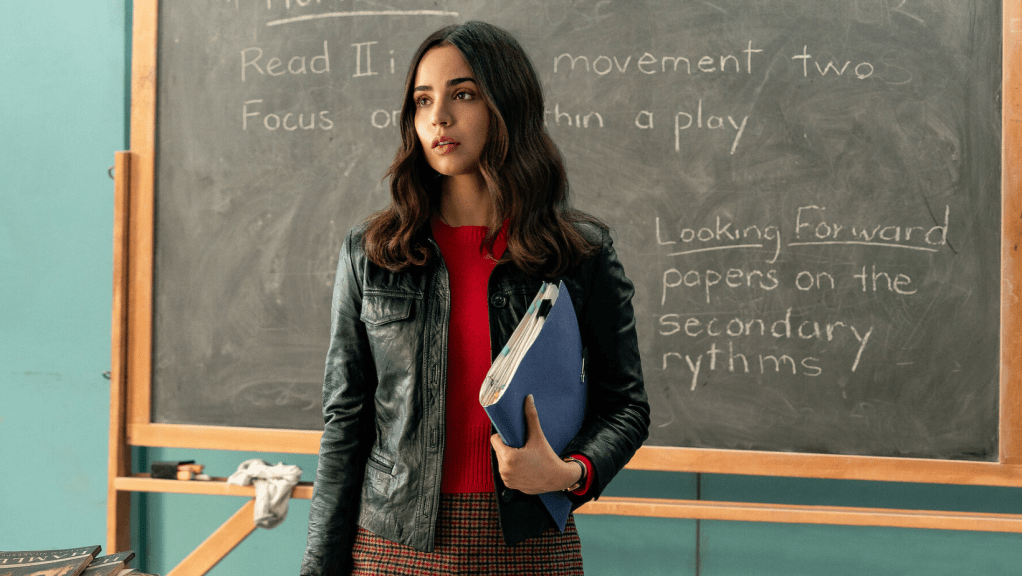
Having read the novel, I noticed that the adaptation took some liberties, some of which worked and others that fell short. Celebrating Alex’s relationship with her mother was central, but the film leaned more into her romantic subplot than the novel’s introspective tone. I also wished more attention had been given to Alex’s teaching ambitions and her rapport with her students. And the references felt outdated at times—for instance, using DVD recordings. Who even owns a DVD player anymore? It’s those small details that could’ve been updated to resonate more with today’s audience.
The film’s visuals helped make up for these gaps. The New York City setting was beautifully shot, giving the story a “grounded fairy-tale” quality. Meanwhile, the soundtrack, with its mix of classical pieces and modern renditions, lent symbolic and emotional weight to key moments.
Lessons in Dreams and Resilience
At its core, The Life List isn’t just about Alex completing childhood dreams. It’s about rediscovering purpose after loss. Elizabeth’s final wish was for Alex to define “true love”—not just romantically but within herself, her friendships, and her family.
Watching this film made me think about my own dreams. I remembered the passions my daughter set aside to pursue the practical path, and I admitted to myself that I, too, had lost sight of my own aspirations amidst the demands of life. The film became a mirror for those quiet, powerful decisions we make every day—to live with intention, to celebrate love in all its messy forms, and to find joy in small victories.
A Bit Sweet, A Bit Sappy, Entirely Worth It
Was it polished? Not quite. Some storylines felt rushed, and the romantic entanglements occasionally leaned into predictable clichés. But as the credits rolled and I sat silently, I knew this movie had delivered something special.
The Life List struck a chord. It’s a gentle reminder of the shared humanity that binds us all. It asks us to confront the dreams we’ve tucked away, the fears that hold us back, and the courage it takes to live boldly, even in the face of heartbreak.
For mothers and daughters, this movie is more than just an evening’s entertainment. It’s a conversation starter, a tearjerker, and a comforting hug all rolled into one. And isn’t that what stories about life, love, and lists are meant to do?


Justine Castellon is a brand strategist with an innate ability to weave compelling narratives. She seamlessly blends her professional insight with her passion for literature. Her literary works include romantic drama novels—Four Seasons, The Last Snowfall, and Gnight Sara / ‘Night Heck. With her ability to tell stories that linger long after the last word, Justine leaves a mark not only in the world of branding but also in the hearts of her readers.


 Just Reading Nook