

What’s the perfect movie to watch while you’re gearing up for a trip? Something feel-good and heartwarming that showcases the splendor of a destination – like Italy. My son has been urging us to visit Italy this year, knowing it might be one of the last opportunities for a family trip before his sister dives headfirst into her new career at a law firm. With that in mind, Netflix’s La Dolce Villa, a feel-good romantic comedy directed by Mark Waters (the genius behind Mean Girls and Freaky Friday), instantly caught my eye. This charming film takes viewers on a sun-soaked stroll through the stunning Italian countryside, blending family drama, romantic sparks, and a warm sense of community. Starring Scott Foley, Maia Reficco, and Violante Placido, La Dolce Villa is not just a visual love letter to Italy but a touching tale of reconnecting with family.
The story begins with Eric (Scott Foley), a pragmatic and overprotective father, rushing to Italy to prevent his daughter Olivia (Maia Reficco) from making a life-altering decision. Fresh out of college and seeking purpose, Olivia decides to purchase a crumbling Tuscan villa for one euro under Italy’s famed restoration program. Eric, still grieving the loss of his wife and unsure about his daughter’s impulsive nature, sees this as an irrational choice. However, the sun-drenched town of Montezara forces both father and daughter to reevaluate their outlooks on life, love, and purpose.

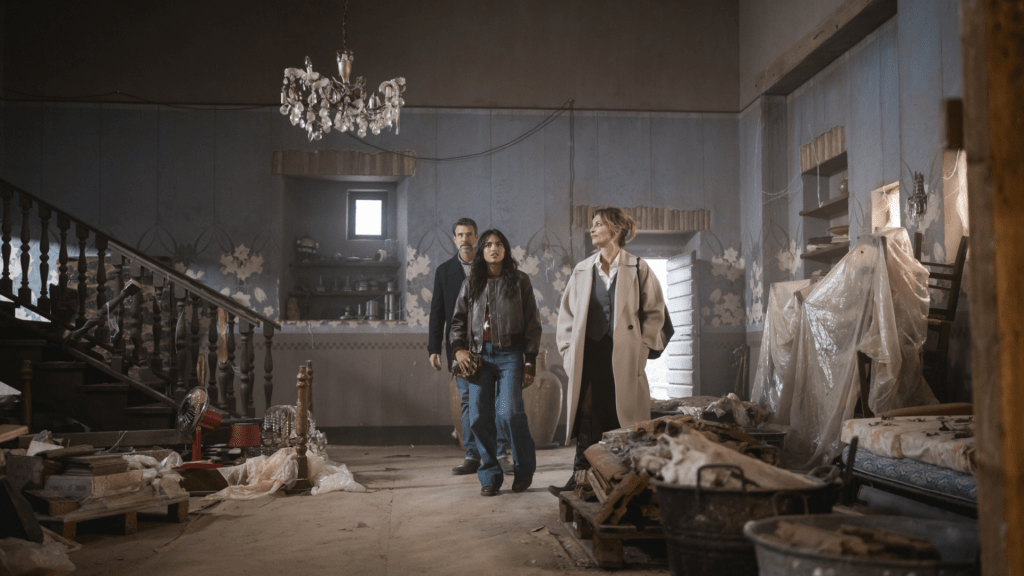
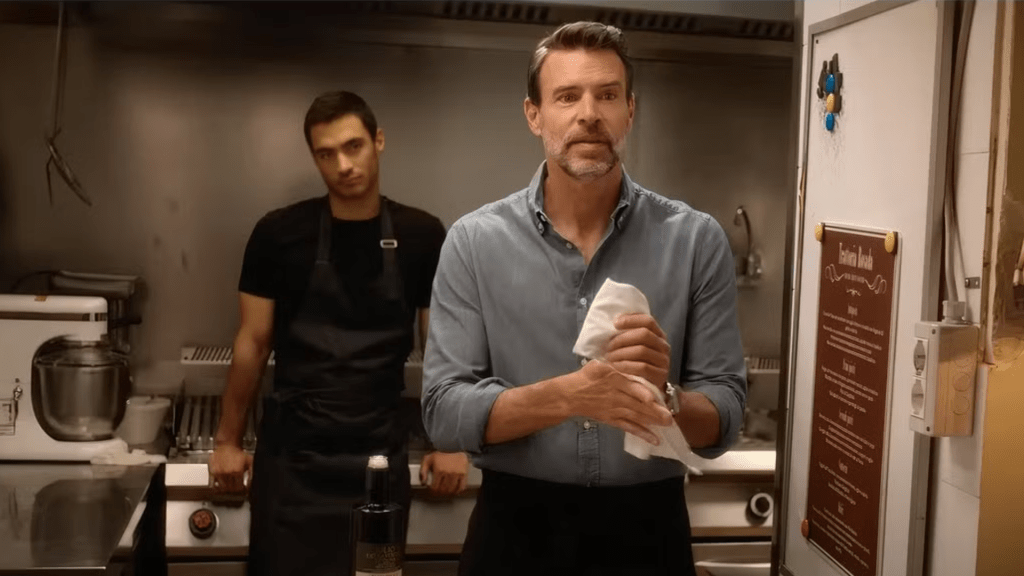
The restoration project becomes a channel for father-daughter bonding. Olivia pours her heart into the renovations with Giovanni (Giuseppe Futia), a charming local restauranteur on the side, while Eric finds unexpected inspiration for his dormant culinary passion. Meanwhile, Eric sparks a subtle yet touching romance with Francesca (Violante Placido), the town’s attractive and resourceful mayor. Adding to the film’s charm is the quirky town of Montezara and its unforgettable residents, particularly three delightful grandmothers, all named Antonia. Their humorous antics and boundless warmth make them scene-stealers, and honestly, they deserve a spin-off of their own. A series centered around the Antonias could easily capture audiences with their lively personalities and penchant for adding a touch of chaos wherever they go.
The story takes a dramatic turn when the villa’s ownership is challenged, testing the spirit of this newfound happiness. However, the resolution is as heartening as the rest of the film, ending on an uplifting note that reinforces the themes of family, rediscovery, and fresh beginnings.



A Father-Daughter Tale
At its heart, La Dolce Villa is about the complex bond between Eric and Olivia. Three years after the loss of Olivia’s mom, both father and daughter are on individual journeys to heal and find direction. Their disagreements reflect generational clashes but also touch on profound themes of trust, letting go, and mutual respect. Watching Eric shift from a stern protector to a supportive partner in Olivia’s dreams creates a deeply fulfilling narrative arc. Foley and Reficco’s natural chemistry brings these emotions alive, grounding the otherwise breezy film with an emotional core.
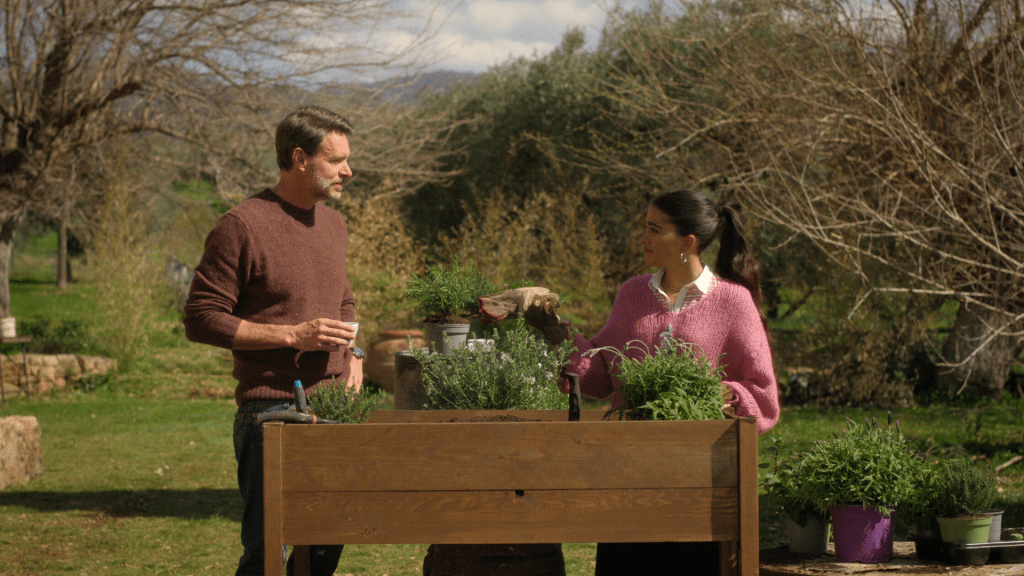
The Italian Dream
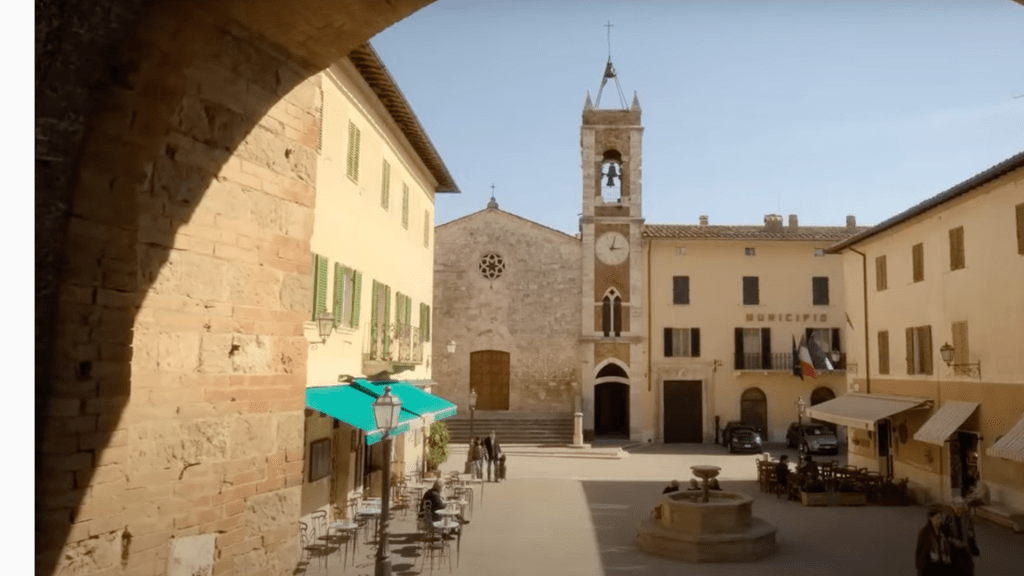
The cinematography in La Dolce Villa is a postcard-perfect display of Italy’s pastoral beauty. From the winding streets of Tuscany to the cozy town squares bustling with life and laughter, the film leaves you longing to board the next flight to Italy. It subtly promotes tourism, capturing the allure of authentic Italian culture, vibrant community life, and mouthwatering food scenes. Whether it’s a quiet espresso in a sunlit café, a gelato in the town’s piazza, or a glimpse of rolling vineyards at sunset, Montezara’s irresistible charm will leave travel enthusiasts inspired to explore similar hidden gems.


A Lighthearted Escape
Mark Waters delivers La Dolce Villa as a visually stunning, low-stakes rom-com that prioritizes charm over complexity. While the romantic subplots (especially between Eric and Francesca) might feel underdeveloped at times (or too stretched), the film compensates with its easygoing humor and warmth. Olivia’s Gen Z frustration with modern life feels relatable, adding a layer of authenticity to her impulsive decision to “start over.” I often see myself in Eric’s shoes because it isn’t easy to reason with a determined daughter who sees the world differently and wants to leave her mark on this world. However, this movie fits the bill perfectly for viewers who prefer feel-good comfort films over dramatic tension.


La Dolce Villa may not be your usual romantic comedy genre. Still, it’s exactly what you expect it to be: a breezy tale of healing, self-discovery, and family reconnection, set against the idyllic backdrop of the Italian countryside. Its lighthearted tone, stunning scenery, and heartfelt moments make it a worthwhile watch for viewers of rom-coms and sentimental family dramas alike. More than a film, it’s an invitation to slow down, savor life’s simple joys, and maybe even book a trip to Tuscany. If you’re in the mood for a cozy movie night, this villa is worth a visit!

Justine Castellon is a brand strategist with an innate ability to weave compelling narratives. She seamlessly blends her professional insight with her passion for literature. Her literary works include romantic drama novels—Four Seasons, The Last Snowfall, and Gnight Sara / ‘Night Heck. With her ability to tell stories that linger long after the last word, Justine leaves a mark not only in the world of branding but also in the hearts of her readers.


 Just Reading Nook