

The Louvre. Even its name evokes a sense of wonder, doesn’t it? It stands as proof of human creativity and a bridge between ancient civilizations and the modern world. Within its walls, stories of joy, sorrow, triumph, and mystery unfold across thousands of works of art. If you’re planning your visit to this breathtaking jewel of Paris, grab your sense of adventure (and comfortable shoes) and follow me on this tour through history, beauty, and the brilliance of human imagination.
The Mona Lisa and Her Veil of Mystery
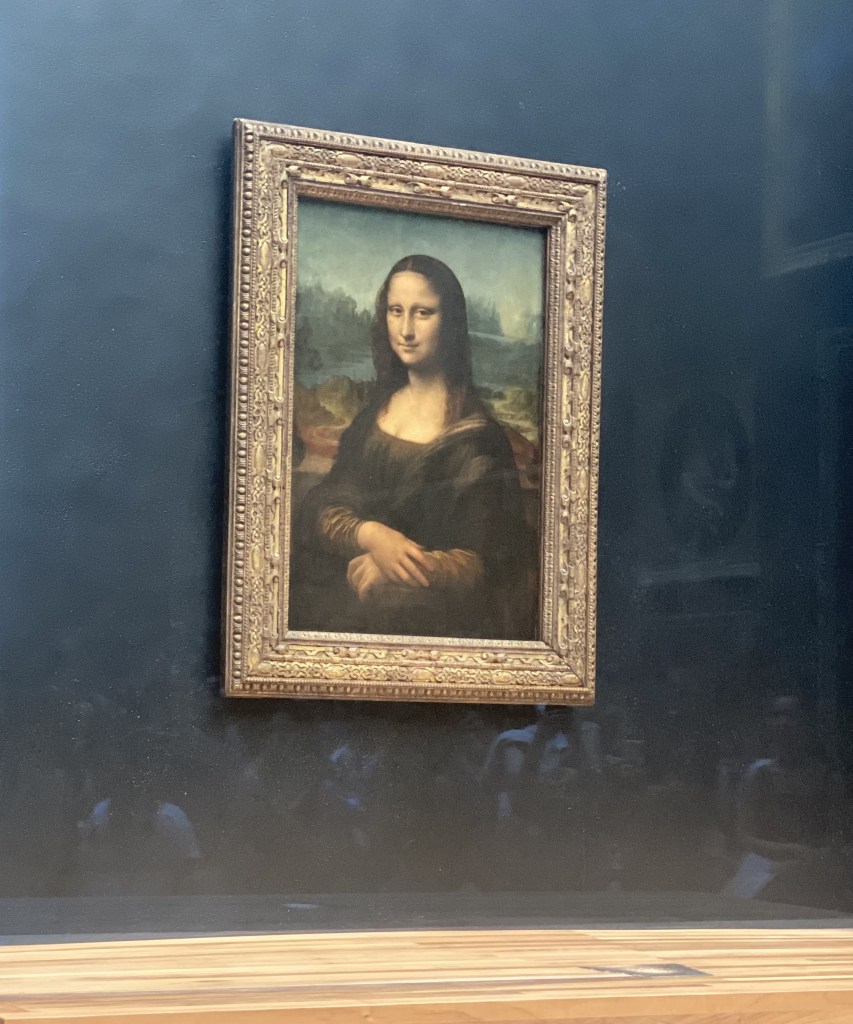
Any visit to the Louvre begins with her. The Mona Lisa, or La Joconde, reigns as the undisputed queen of the museum. Her enigmatic smile, painted by Leonardo da Vinci, draws millions of visitors every year. But a lesser-known star of her gallery lies just a few steps away. If you stand with her back to the grand wall, you’ll find yourself face to face with The Wedding at Cana, painted by Paolo Veronese. This canvas is a masterpiece of movement, color, and drama. It depicts the biblical moment when Jesus turned water into wine, with strikingly lifelike characters gathered around a sprawling banquet table. Its sheer size alone (over 22 feet tall!) makes it unforgettable. Together, the Mona Lisa and The Wedding at Cana create a vivid dialogue, mesmerizing from every angle.

Beyond the Mona Lisa’s Gaze
Though the Mona Lisa often steals the spotlight, she’s not the only treasure in the Louvre, far from it. Just a short walk from her gallery, you’ll stumble upon the Venus de Milo, a vision of timeless beauty in luminous marble. Standing gracefully, despite her missing arms, this statue has captivated imaginations for centuries, her every curve and angle radiating a kind of eternal serenity that words scarcely capture.
And then there’s The Winged Victory of Samothrace, perched grandly atop a staircase. She’s a goddess without a face, yet her energy is unmistakable. This ancient Greek sculpture spreads her wings in defiance of time, as though she’s just landed from battle, the rush of the sea still clinging to her robes. It’s a moment frozen in marble, a testament to both victory and resilience.
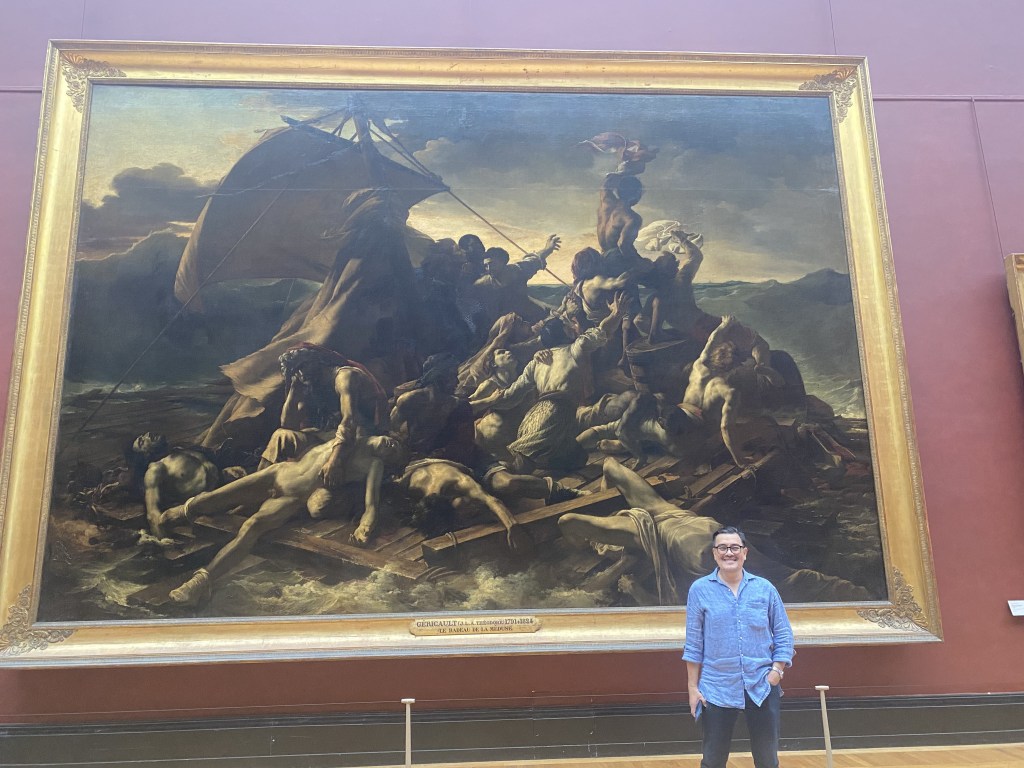
The Louvre also holds countless paintings to explore, ranging from the sprawling epic of Eugène Delacroix’s Liberty Leading the People, to the hauntingly vivid Raft of the Medusa by Théodore Géricault. Both are drenched in emotion, bursting with stories of revolution, despair, and the fight for freedom. Each gallery you enter pulls you deeper into humanity’s collective memory.



The Practical Side of the Adventure
Getting to the Louvrer
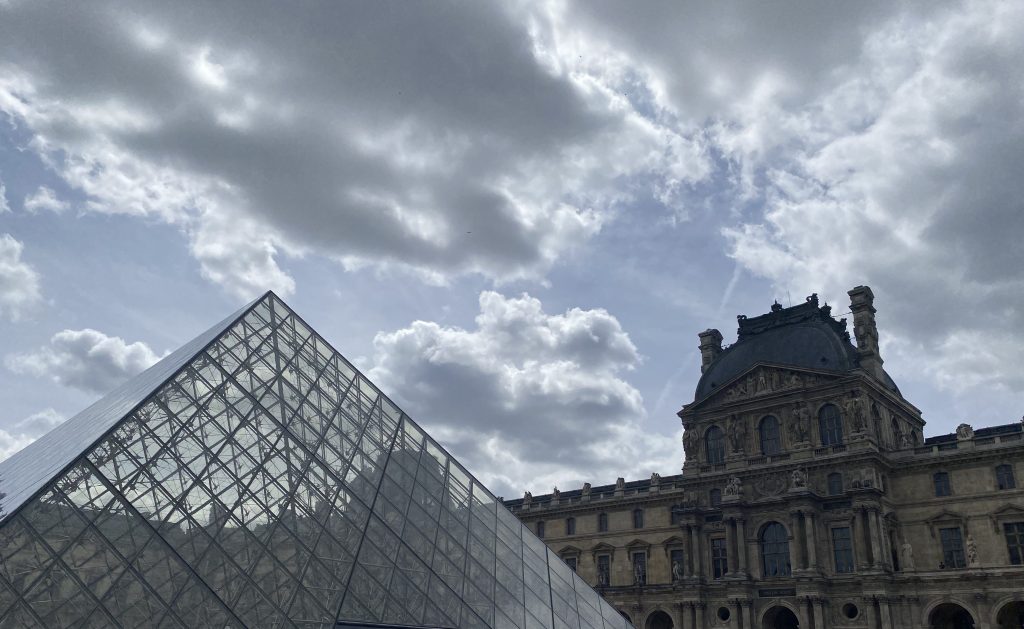
The Louvre is nestled in the very heart of Paris, a fitting home for such a spectacular institution. To get there, take the Paris Métro, the most convenient mode of transportation in the city. The nearest stop is Palais Royal – Musée du Louvre, which drops you right near the museum’s iconic glass pyramid.
If you prefer a scenic arrival, hop on a Seine River boat tour that stops at the museum’s pier, letting you approach as visitors once did centuries ago, by water.
Tickets and Passes
To make the most of your visit, plan ahead. You can buy tickets online, and I highly recommend doing so to avoid spending precious hours in a queue. Opt for the Louvre time-slot tickets or consider purchasing the Paris Museum Pass, which grants you entry to multiple historic sites across the city (including the Louvre). If art is your passion, this pass is well worth it.
Make a note of the museum’s closed days. The Louvre shuts its doors every Tuesday, so plan around that.
Tips for Navigating the Louvre
With over 35,000 artworks spread across 15 acres, tackling the Louvre without a game plan is like trying to read a library in one sitting. Start by picking your must-see pieces. Want to gaze at the Mona Lisa? Arrive early or later in the day to avoid peak crowds. Interested in ancient civilizations? Head to the Egyptian antiquities wing for some firsthand marvels of pharaohs and gods.
Here are my favorites:
- Leonardo da Vinci’s The Virgin and Child with St. Anne is a masterpiece that showcases his unmatched skill in capturing emotion and detail. This stunning painting portrays St. Anne seated with her daughter, the Virgin Mary, who cradles the Christ Child. The trio is depicted amidst a serene natural backdrop, radiating harmony and tenderness. Da Vinci’s masterful use of soft, flowing lines and the sfumato technique creates a dreamy, lifelike quality. The composition’s triangular arrangement exudes balance, while the intimate expressions highlight the deep bond between the figures, blending spiritual grace with human warmth.
- Another da Vinci favorite is La Belle Ferronnière, a fascinating and beautiful portrait that exudes elegance and mystery. Painted with exquisite attention to detail, the work features a woman whose serene expression and steady gaze hold the viewer’s attention. The play of light and shadow across her face and the delicate rendering of textures, from her smooth skin to the intricate details of her attire, showcase da Vinci’s mastery. The painting’s name adds to its intrigue, though the identity of the sitter remains a topic of speculation.
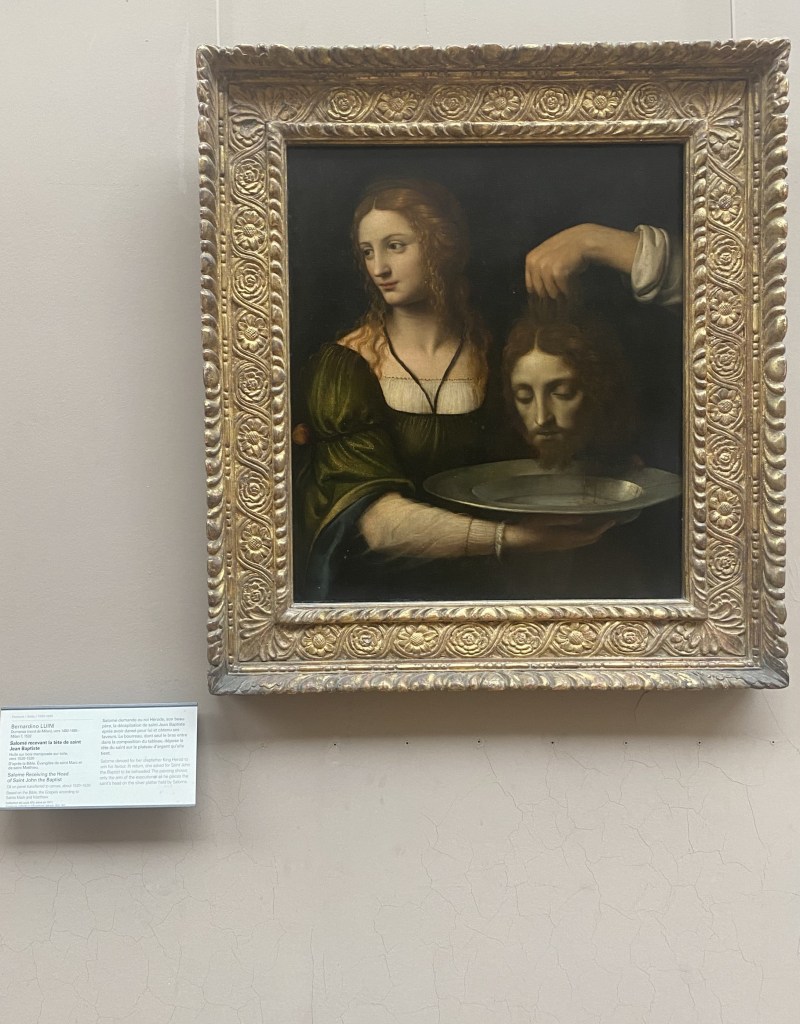
- Bernardino Luini’s Salome with the Head of John the Baptist is a hauntingly dramatic painting that captures the tension and intensity of its biblical subject. The artwork portrays Salome holding the severed head of John the Baptist, a moment brimming with both macabre fascination and emotional weight. The rich use of color, intricate details in her silk garments, and the interplay of light and shadow emphasize the painting’s theatricality and depth. The composition offers a striking contrast between Salome’s poised demeanor and the grisly act she embodies, making it a powerful exploration of beauty, power, and morality.
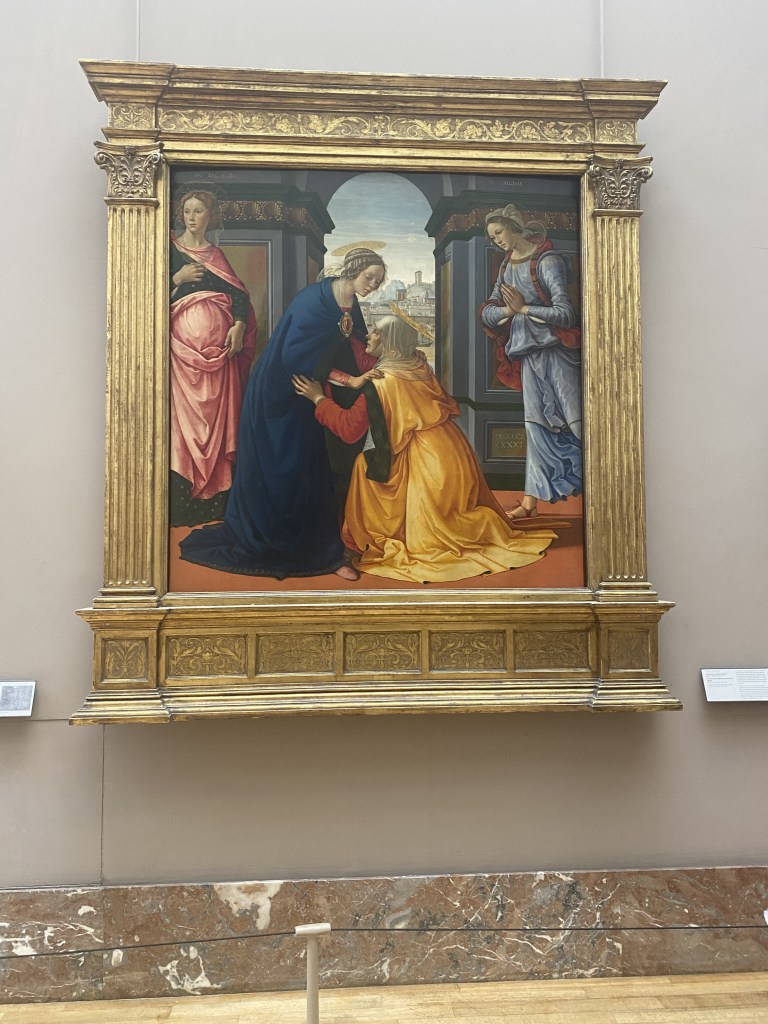
- The Visitation by Domenico Ghirlandaio is a remarkable Renaissance masterpiece that encapsulates devotion and human connection. The painting depicts the tender encounter between the Virgin Mary and her cousin Elizabeth, both miraculously pregnant. Rich in detail, Ghirlandaio’s work showcases vibrant colors and masterful spatial composition, with expressive figures set against a meticulously crafted architectural and natural backdrop. The emotional warmth of the scene is enhanced by the soft, lifelike rendering of the characters’ gestures and expressions, highlighting themes of humility and divine grace. This painting remains a timeless reflection of faith and the beauty of human relationships.
- Oath of the Horatii by Jacques-Louis David is another powerful neoclassical masterpiece that embodies loyalty, courage, and sacrifice. The painting depicts a dramatic moment as three brothers pledge their swords to their father, vowing to defend Rome, while the women nearby react with sorrow and foreboding. The artwork’s stark composition, with sharp lines and a restrained color palette, emphasizes the figures’ heroic resolve. David’s use of light and shadow heightens the emotional gravity of the scene, symbolizing the tension between duty and personal loss. This iconic piece reflects the ideals of patriotism and moral fortitude during the French Revolution.


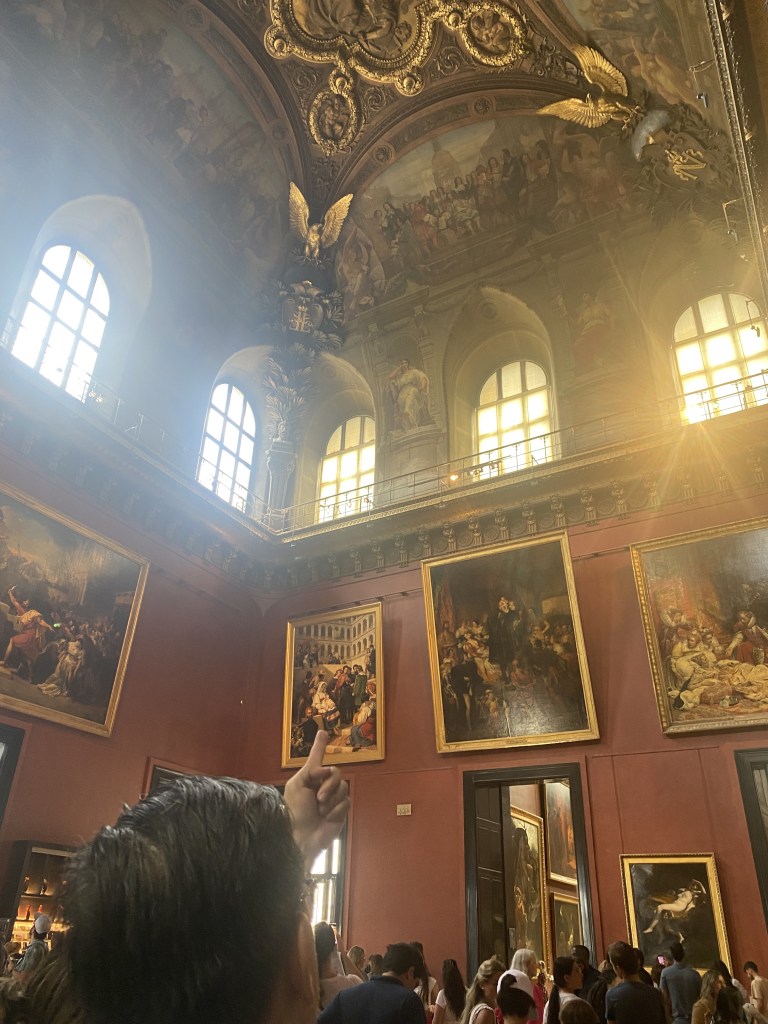

There are thousands of interesting arts and one day visit isn’t enough. So, grab a museum map (they’re freely available) and chart your course. Alternatively, join one of the guided tours offered by the museum. Their knowledgeable staff crafts themed routes, from Renaissance paintings to classical sculpture, making it much easier to digest the massive collection.
Finally, pace yourself. The Louvre isn’t a place to rush; it’s a story to savor, one gallery at a time. Give yourself at least half a day to soak it all in, and don’t forget to take breaks. There are cozy cafés inside where you can recharge before heading to your next masterpiece.


A Day You’ll Never Forget
The Louvre is more than a museum. It’s a gateway to wonder. Whether you lose yourself in the quiet smile of the Mona Lisa, feel the wind in the feathers of The Winged Victory of Samothrace, or marvel at the brilliance of a medieval craftsman’s brush, the Louvre promises a connection to something greater. Something timeless.
Are you ready to step through its glass pyramid and into a world of art, history, and humanity? Your adventure awaits.


Justine Castellon is a brand strategist with an innate ability to weave compelling narratives. She seamlessly blends her professional insight with her passion for literature. Her literary works include romantic drama novels—Four Seasons, The Last Snowfall, and Gnight Sara / ‘Night Heck. With her ability to tell stories that linger long after the last word, Justine leaves a mark not only in the world of branding but also in the hearts of her readers.


 Just Reading Nook