

I have read The Count of Monte Cristo by Alexandre Dumas more than a dozen times—probably too many to count, if I’m being honest. It’s my favorite book, the kind that stays with you like the hum of a familiar melody long after the last page is turned. Every return to Edmond Dantès’ story feels like reuniting with an old friend, swept up in the storm of betrayal, revenge, and, eventually, redemption. No matter how well I know the story, it never seems to lose its grip on me, its intensity coursing through my veins every single time.
At its heart, The Count of Monte Cristo is a tale of betrayal, transformation, revenge, and redemption. It follows Edmond Dantès, a young, hopeful sailor in 19th-century France whose life is derailed when he becomes the victim of a conspiracy carried out by those he trusts. On the verge of achieving everything he’s dreamed of—marrying his fiancée, Mercédès, and becoming captain of his ship— Dantès is falsely accused of treason. He’s betrayed by four men, each driven by greed, envy, or ambition. Their lies condemn Dantès to the dark, inescapable fortress of the Château d’If.
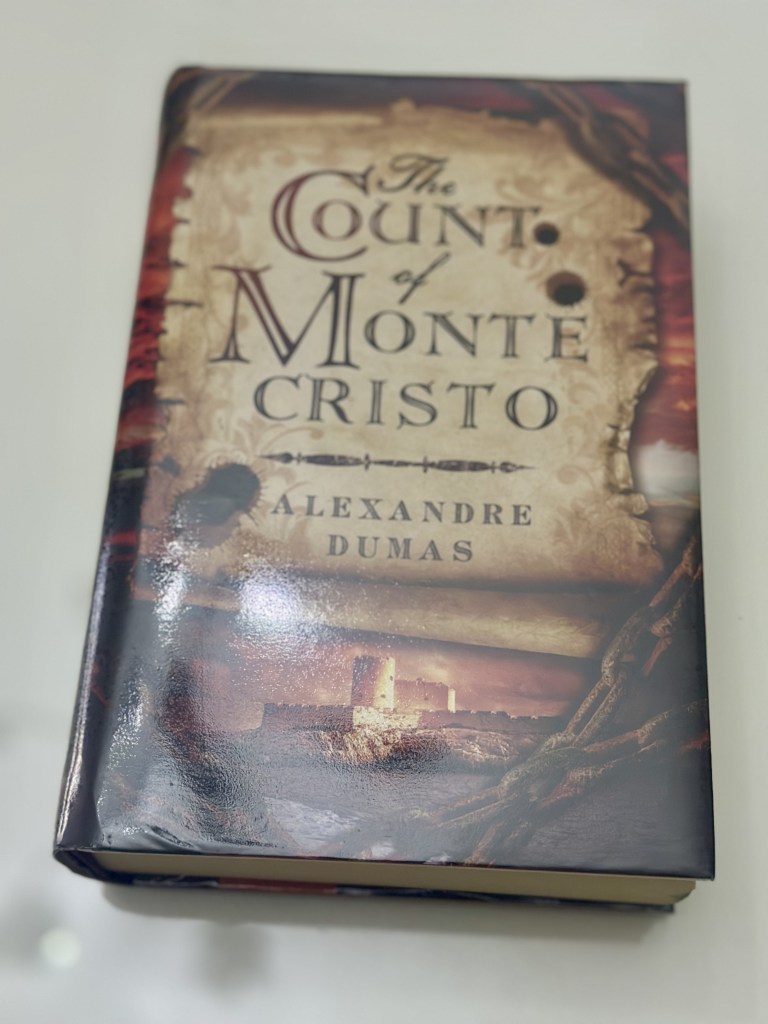
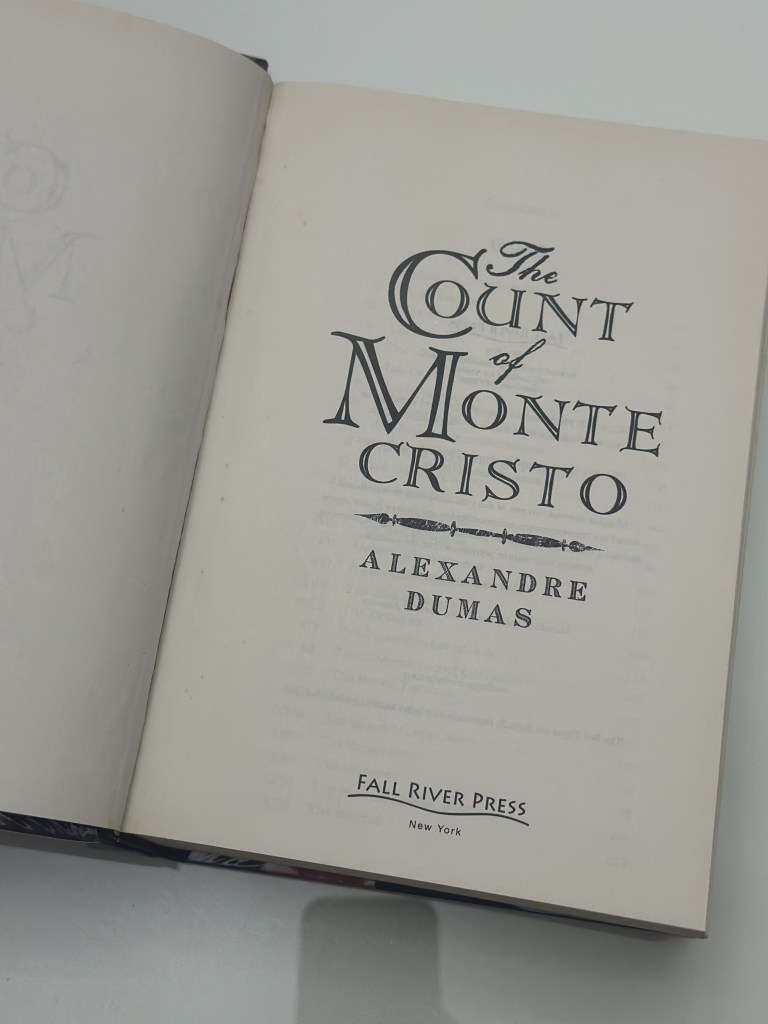
Dantès’ imprisonment is agonizing, a plunge into despair that feels nearly tangible. Years pass, all hope dwindles, and death seems like the only way out. But then a spark. A fellow prisoner, the eccentric and brilliant Abbé Faria, changes everything. Faria not only becomes Dantès’ mentor, teaching him language, skill, and philosophy but also plants a seed—a treasure hidden on the island of Monte Cristo. Faria’s death gives Dantès the chance to escape, and in one of the most thrilling moments in the book, he emerges from the sea, reborn into a man fueled by purpose.
That rebirth is critical—Edmond Dantès dies in the Château d’If, but The Count of Monte Cristo is born. He uses Faria’s hidden fortune to transform himself into a figure of immense power, wealth, and mystique. From there, Dantès —or the Count—commences his masterfully plotted vengeance on the men who destroyed him. He dismantles their lives one by one, sparing no detail in his pursuit of justice. But as the plan unfolds, so does its cost.
What is it about this novel that digs so deeply into the hearts of readers? For me, it’s the way Dumas constructs revenge—not as a fleeting passion but as a slow-burning, calculated force that consumes and transforms. Dantès’ descent into despair, his rebirth as the enigmatic Count, and the meticulous way he dismantles the lives of those who wronged him, piece by piece—it’s all so hauntingly vivid. And then there’s the iconic line from the Count himself, one that encapsulates the depth of his quest for vengeance: “How did I escape? With difficulty. How did I plan this moment? With pleasure.”Those words hit with the weight of a confession and a war cry all in one. They echo, raw and electrifying, long after they’ve been spoken. Dumas forces us to confront that magnetic pull through Dantès’ eyes, making us cheer for his victories even as we reflect on what his revenge might strip away from his soul.
“For all evils there are two remedies – time and silence.”
The theme of revenge resonates because, deep down, we all understand its allure. Who hasn’t fantasized about righting a wrong, about delivering justice where justice failed? Dumas doesn’t just show us the intoxicating pull of revenge—he lets us live it through Dantès. Yet he also shows the price. The joy of retribution is so fleeting compared to the void it leaves behind. By the time the Count exacts his long-plotted justice, the triumph often feels bittersweet. We, as readers, feel it too.
But The Count of Monte Cristo isn’t just about revenge. It’s about the vast spectrum of human emotion—love, loyalty, despair, hope—and how those forces shape us. Dantès isn’t an archetype; he’s layered and scarred, capable of both great benevolence and terrifying cruelty. Watching him struggle with forgiveness, redemption, and his humanity makes him achingly real. The Count may appear as a force of fate, but he’s still Dantès beneath the layers of disguise, a man forever altered by suffering.
What strikes me most about Dumas’ writing is his ability to create a web of intricate, interconnected plots. Every character plays a critical role in the larger narrative, from the scheming yet cowardly Danglars to the scheming yet cowardly Fernand to the self-serving Villefort. Even minor players feel deliberately placed, like puzzle pieces snapping effortlessly into place. And then there’s the sheer elegance of Dumas’ pacing. He knows precisely when to pull the rug from under you, when to set your heart racing, and when to pause for reflection.
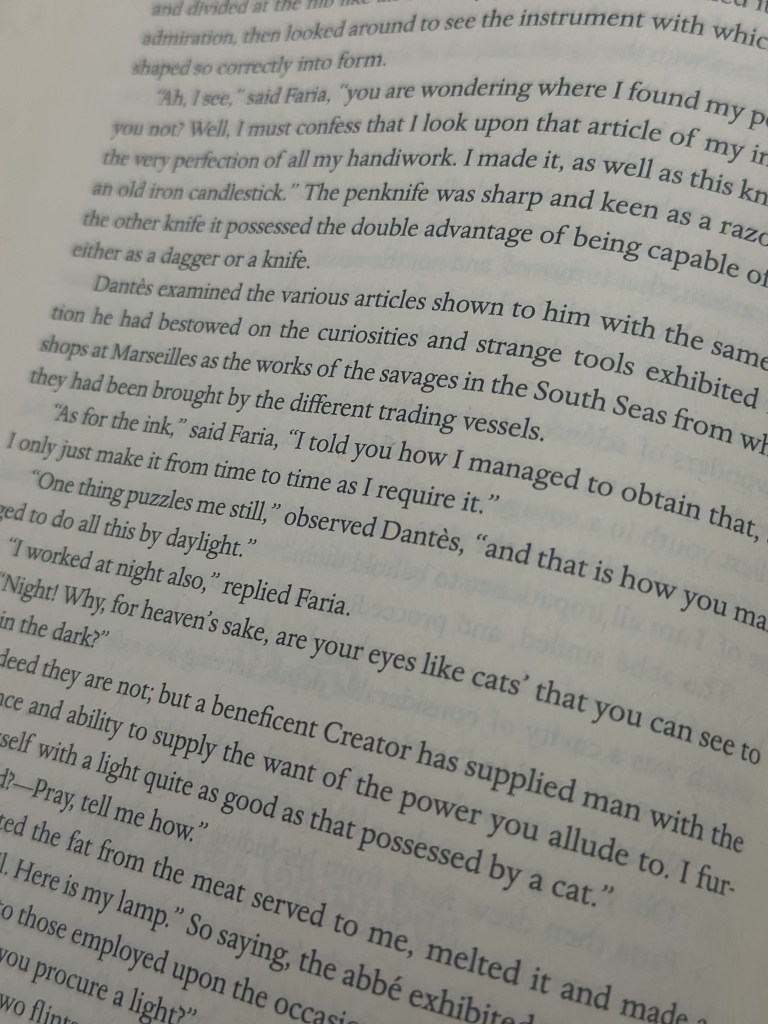

Dumas’ storytelling is masterful, almost surgical in its precision. The way he weaves plots within plots is astonishing. Every detail—the tiniest action or piece of dialogue—fits into the larger mosaic of the story. Dantès’ transformation, his disguises, his aliases, his shadowy maneuvering behind the scenes—it feels less like you’re reading a book and more like you’re being led through a labyrinth where every twist tightens the threads of fate. Dumas knows exactly when to build suspense and when to release it, leaving you breathless and desperate to turn the next page.
The novel is vivid, almost cinematic, in its descriptions. Dumas doesn’t just tell you about the damp chill of the Château d’If—you feel it. You can almost smell the salt in the air; you sit alongside Edmond in the darkness and feel hope shrivel away. And when he escapes, when he rises from the waves and claims not just his freedom but his will to live, it’s like resurrection itself. That’s the power of Dumas’ imagery and language. He doesn’t just invite you into his world—he immerses you so completely that you forget it’s fiction.
What also strikes me is how morality is handled in The Count of Monte Cristo. Dantès becomes judge, jury, and executioner, but at what cost? His vengeance is poetic and thrilling, but it’s not without its consequences. Dumas never lets us forget the collateral damage. It’s as if he’s asking us, “What would you do? And how far would you go? Is revenge worth the price? Can justice truly come from vengeance? And what happens to a person who allows hatred to consume them, no matter how righteous their reasons?”
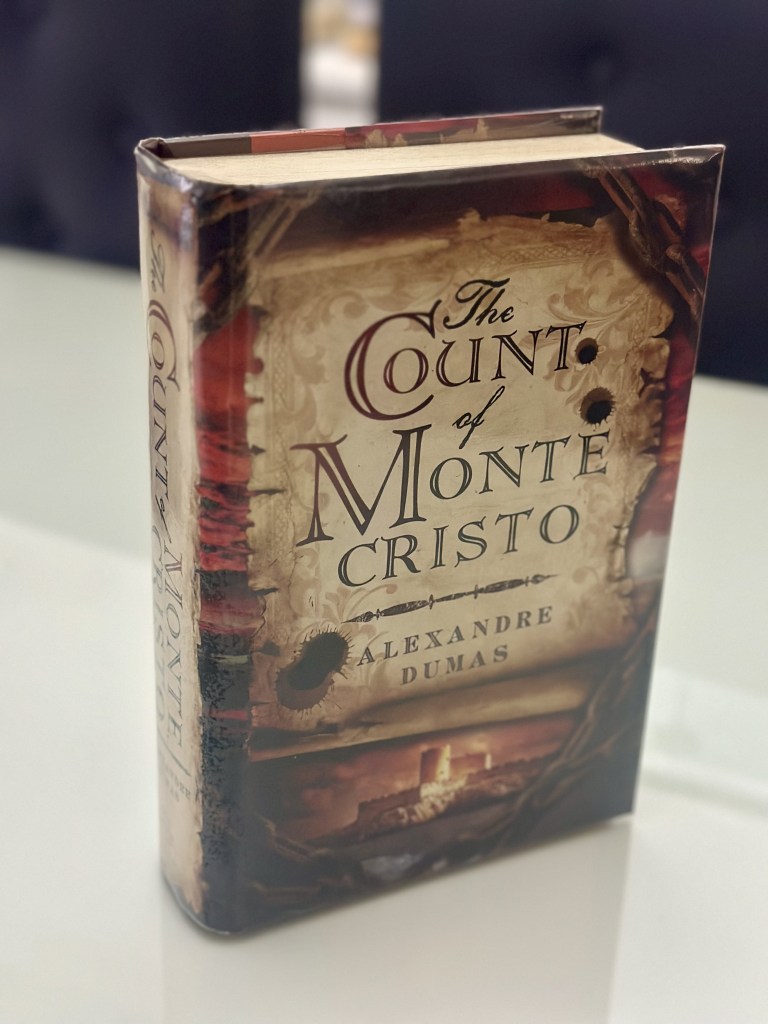
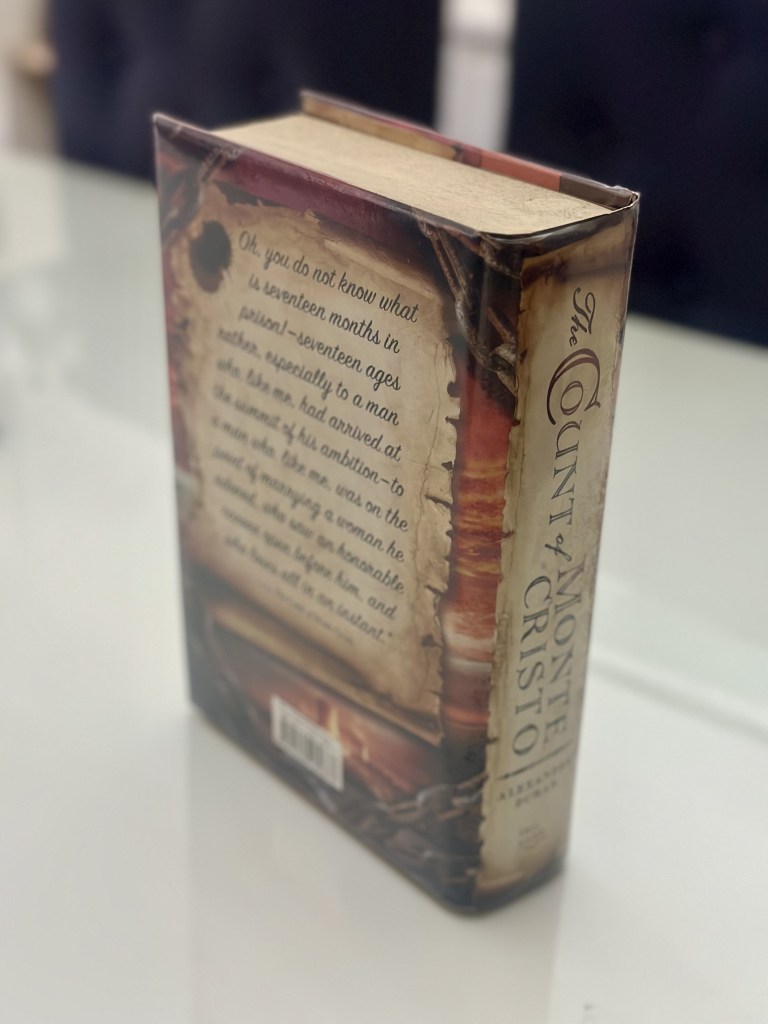
Perhaps that’s why the book stays with me, why I keep returning to it. Because it holds up a mirror to our nature, to the darkness and light within us all. It’s not just a story of revenge; it’s a story of what it means to be human, flawed and striving, undone and redeemed.
Even after all these readings, The Count of Monte Cristo still makes my heart race. It’s a story that invites you to lose yourself in its pages, to wrestle with its questions, and to emerge changed, every time.
No matter how many times you read it, it continues to challenge you, invite you back, and sweep you into its world. Every visit leaves me altered, feeling as though I’ve traversed the highs and lows of life itself, and I know I’ll return to it again and again. It’s a gift from Dumas— The Count of Monte Cristo is, and always will be, a timeless treasure.

Justine Castellon is a brand strategist with an innate ability to weave compelling narratives. She seamlessly blends her professional insight with her passion for literature. Her literary works include romantic drama novels—Four Seasons, The Last Snowfall, and Gnight Sara / ‘Night Heck. With her ability to tell stories that linger long after the last word, Justine leaves a mark not only in the world of branding but also in the hearts of her readers.


 Just Reading Nook