

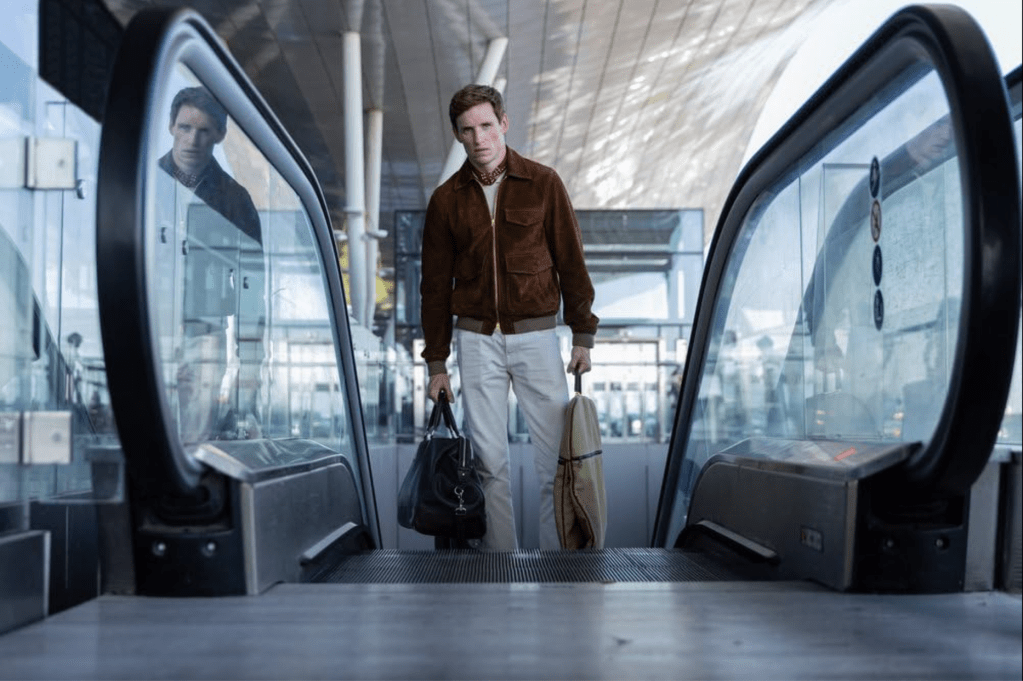
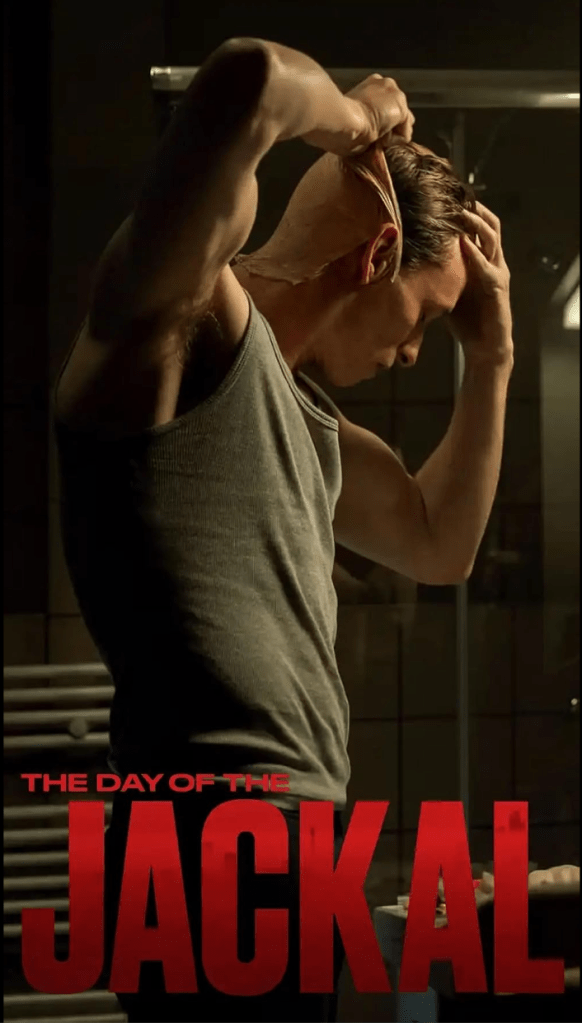
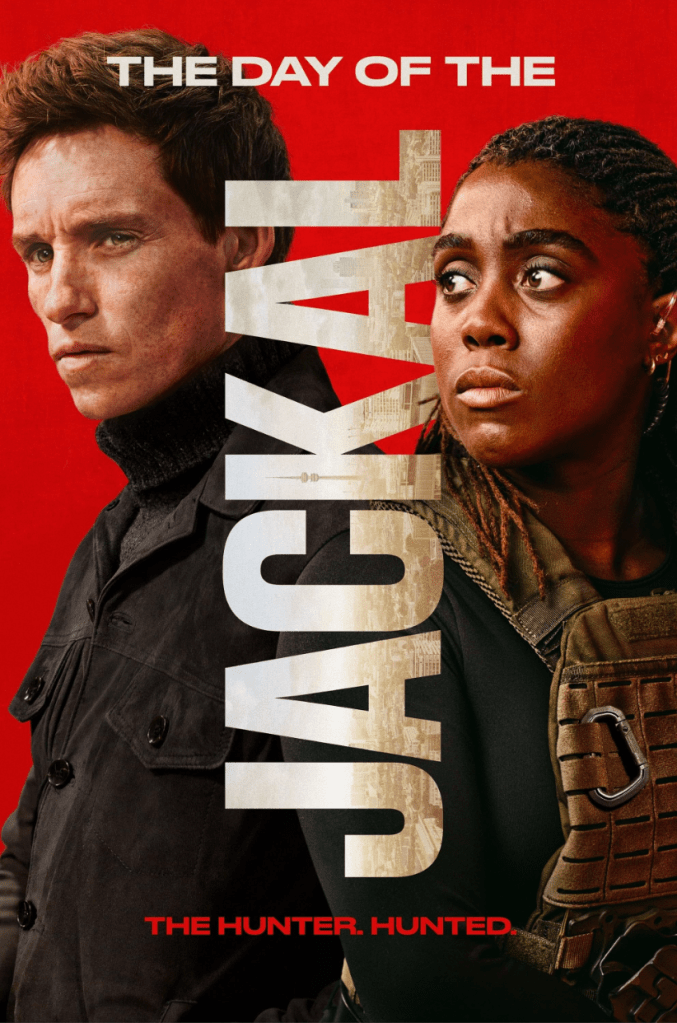
The first season of The Day of the Jackal reimagines Frederick Forsyth’s iconic thriller for the modern era, masterfully blending espionage, political intrigue, and psychological drama. The series centers on the enigmatic assassin known as “The Jackal,” portrayed with chilling precision by Eddie Redmayne. Hired to carry out a high-profile political assassination that could destabilize international powers, the Jackal meticulously plans the attack while law enforcement agencies—led by Bianca Pullman (Lashana Lynch) as the relentless investigator—race against time in a taut game of cat and mouse.
While staying true to the bones of Forsyth’s original story, the series enriches the narrative with expanded backstories, interweaving subplots, and a contemporary geopolitical backdrop. This approach not only deepens the stakes but also offers viewers a layered, dynamic world that feels as compelling as it is dangerous.
WHAT TO EXPECT
This is not a straightforward, action-packed spy thriller. While there is intense, heart-racing action, it leans heavily into psychological tension and intricate plotting. Fans of methodical, slow-burn narratives will find themselves rewarded by the deliberate pacing, which allows characters and storylines to breathe. The show’s tone is atmospheric, moody, and eerily reflective of the global tensions we see today, making it both timeless and relevant.
Expect a story filled with calculated twists, shadowy betrayals, and quiet moments of vulnerability from its characters, which makes for a more cerebral viewing experience. The series walks a fine line between action and introspection, balancing large-scale stakes with intensely personal battles on both sides of the conflict.
CAST PERFORMANCES
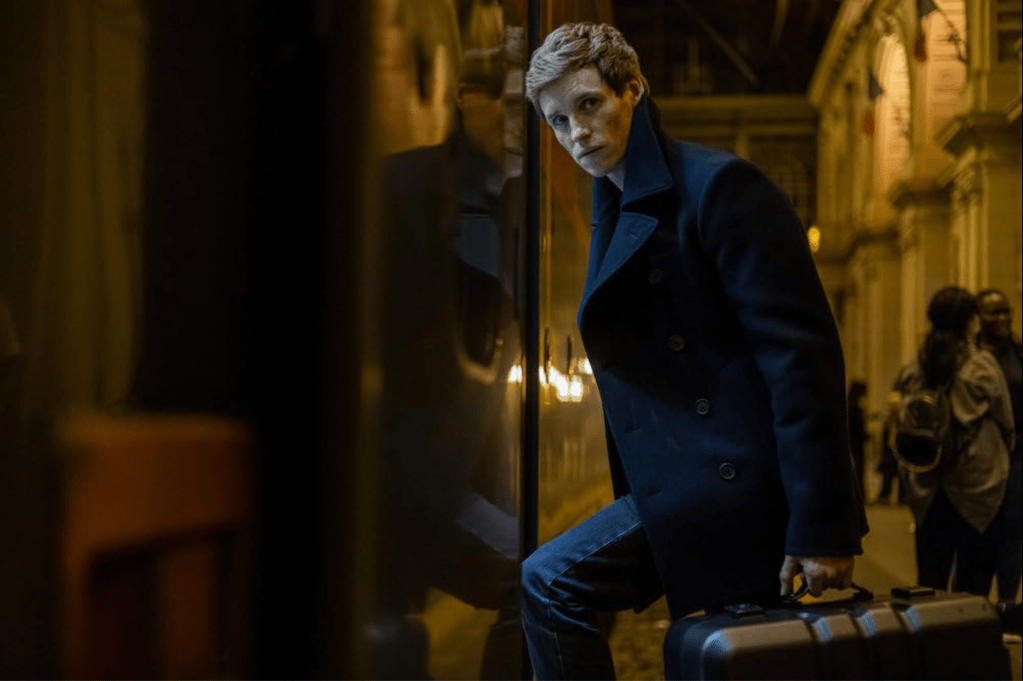
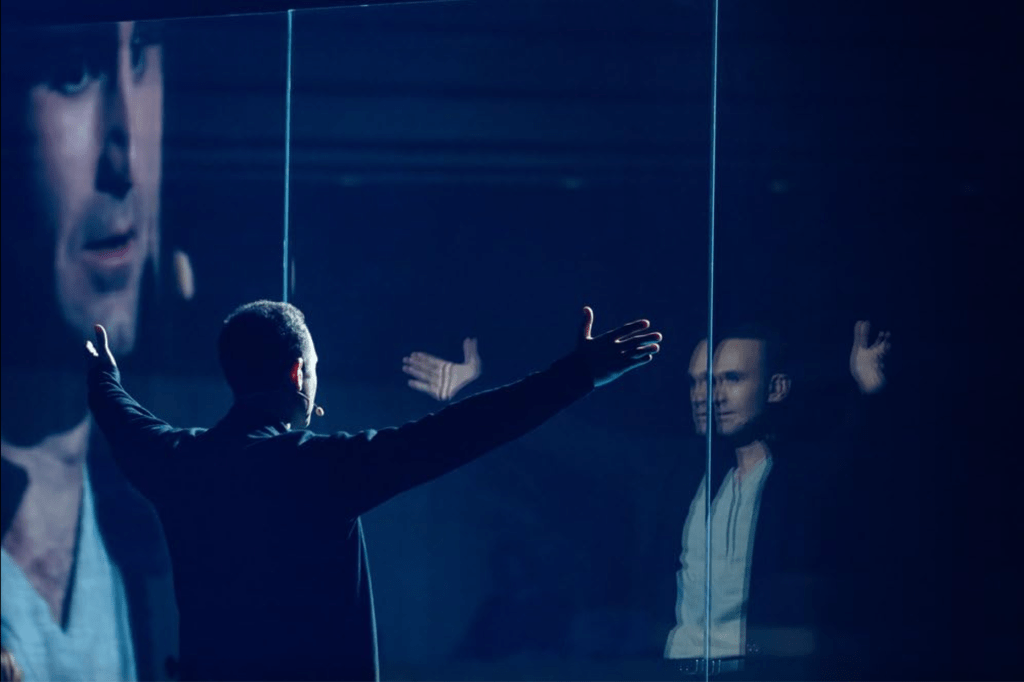
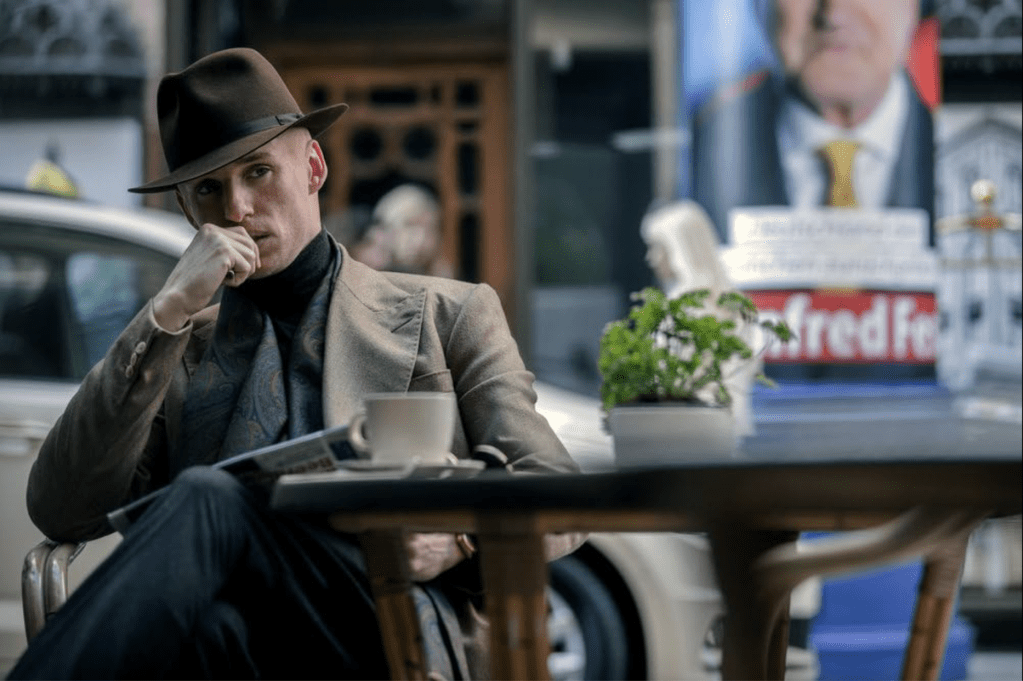
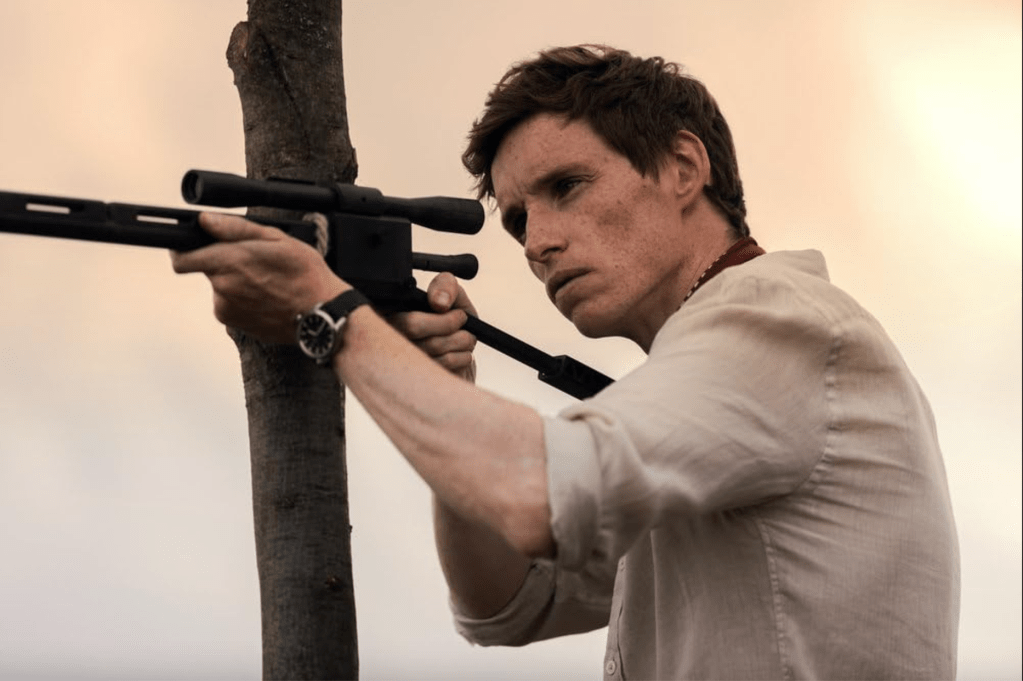
Eddie Redmayne steps into the role of “The Jackal” with a mesmerizing blend of sophistication and menace. His portrayal is as calculated as the character’s every move, giving us a protagonist who is both chillingly ruthless and astonishingly charismatic. Redmayne avoids leaning into caricature, instead delivering subtle nuances—witty, deliberate dialogue paired with fleeting but impactful emotional beats that keep viewers both captivated and uneasy. His performance is the beating heart of the series and ensures that the Jackal is not just a killer but a three-dimensional character with mysterious depth.
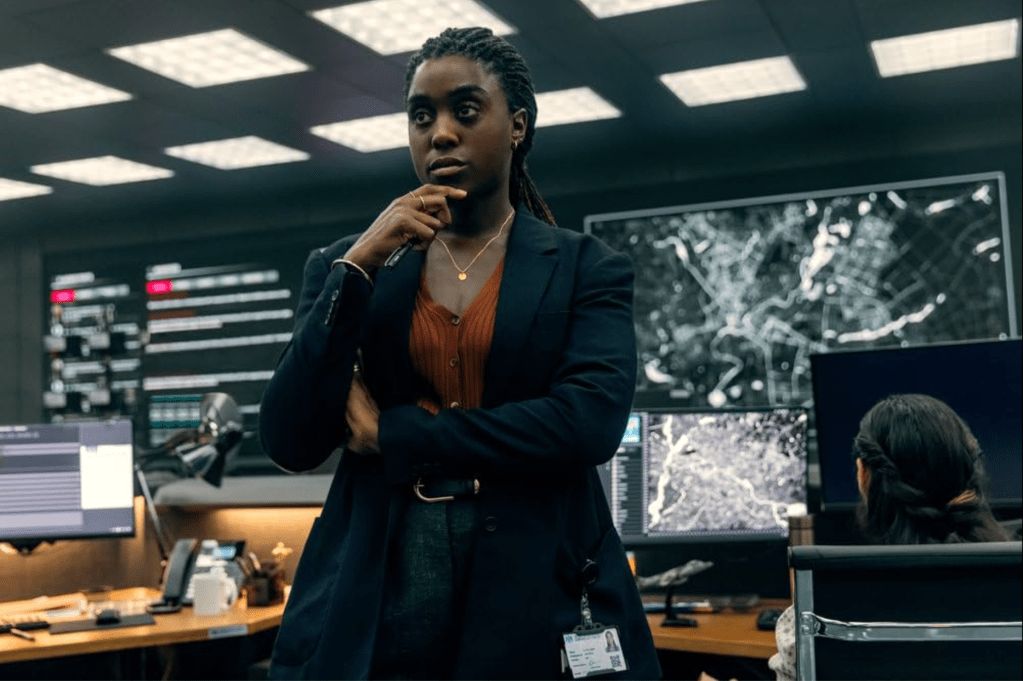
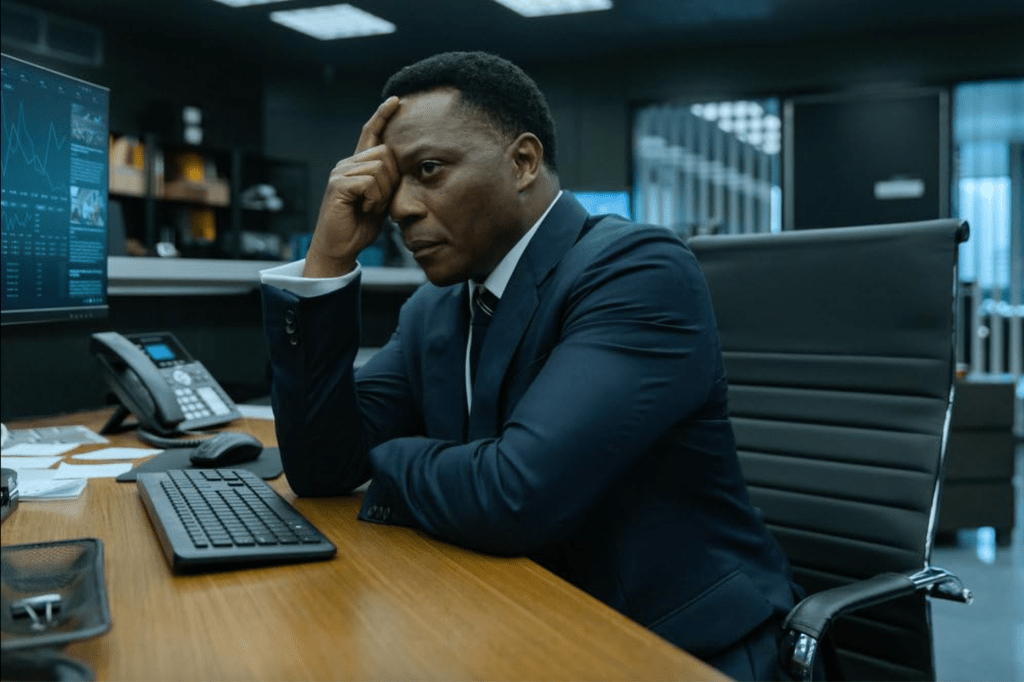
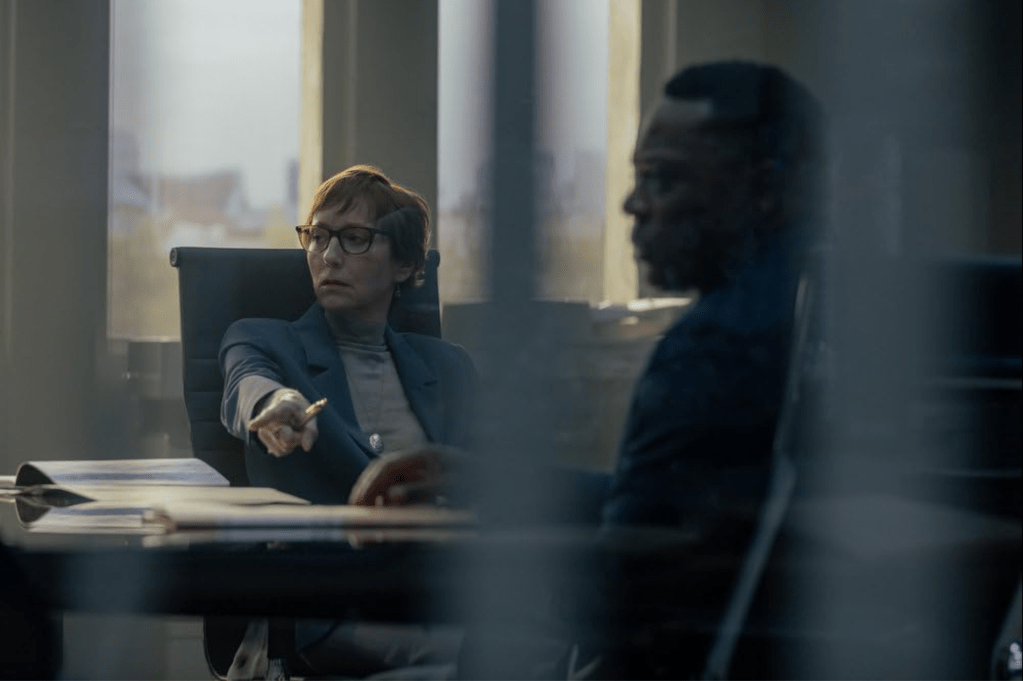
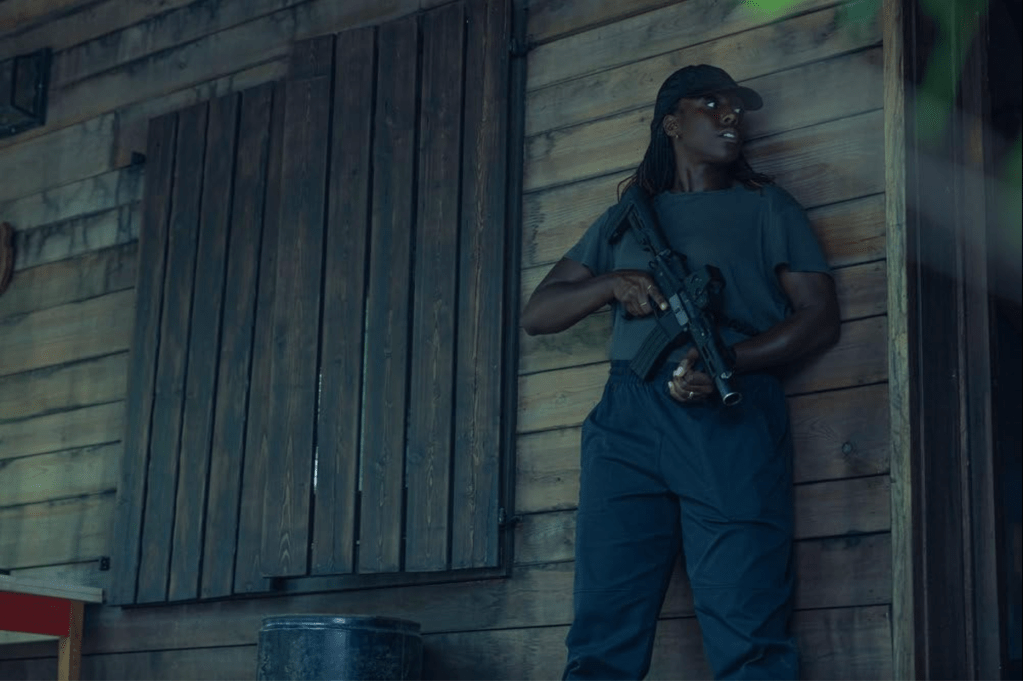
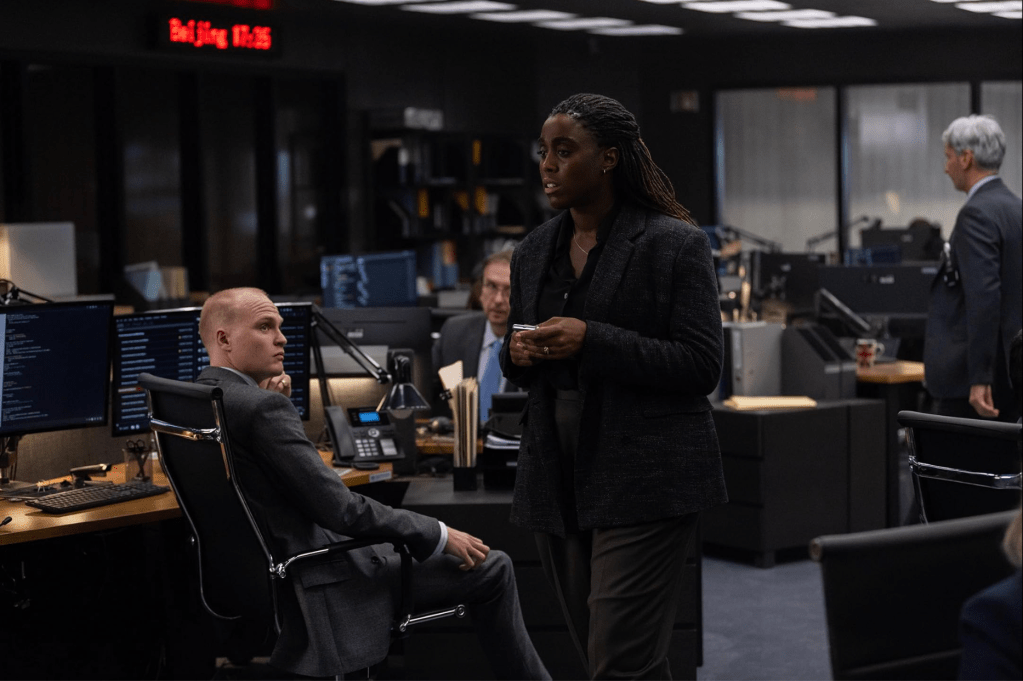
The supporting cast lives up to the challenge of matching Redmayne’s gravitas. Lashana Lynch, played the primary investigator charged with capturing the assassin is portrayed with a compelling mix of moral resilience and weariness, adding emotional contrast to the Jackal’s cold detachment. The wider ensemble—from shadowy operatives to conflicted political players—all add authenticity and vibrancy to the narrative.



DIRECTING
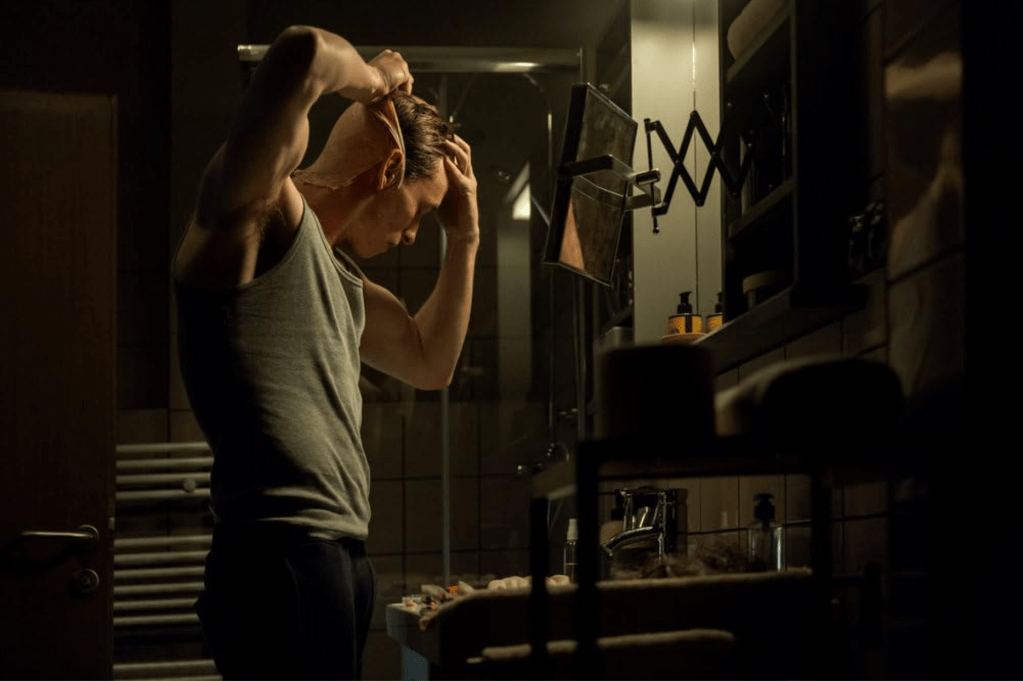
The show’s direction is one of its shining achievements, transforming an already compelling story into a visual and emotional powerhouse. The directors take an almost surgical approach to building tension, creating an atmosphere that feels consistently taut, even during slower narrative moments. Tight framing and dimly lit, claustrophobic environments add to the sense of paranoia and urgency that permeates each episode.
Visually, the series is stunning. The international scope is emphasized with breathtaking landscape shots and attention to detail in settings, from opulent political halls to gritty safehouses. This diversity of locations underscores the central theme of global consequences while keeping the audience visually engaged.
Perhaps the most notable success of the director’s vision per episode is the seamless balance of suspense, action, and introspection. Every decision, whether stylistic or narrative, feels intentional. Quiet, contemplative moments linger long enough to leave emotional resonance, while action-packed sequences are executed with sharp precision, keeping viewers on edge.
SCREENPLAY
The screenplay is another critical strength of the show, injecting fresh life into the framework of Forsyth’s original material. The dialogue feels crisp and purposeful, with every word serving to advance the plot or reveal something about the characters. Key exchanges—whether between enemies locked in strategic combat or allies betraying one another—feel laden with subtext, adding richness to the narrative.
Adapting an iconic story for modern audiences was no small feat, but the writers skillfully modernized the material without losing the spirit of the original. The screenplay fleshes out the moral ambiguities of this shadowy world, exploring the motivations and internal conflicts of characters who might otherwise dwell in archetypal territory. The pacing, while deliberate, ensures that major moments land with maximum emotional and narrative impact.
However, the show’s restrained use of exposition is particularly notable—it trusts the audience to connect the dots without hand-holding, which can make certain moments require patience but ultimately pays off in immersion.

COMPARISON TO THE ORIGINAL FILM
Compared to the 1973 film adaptation, the series clearly seeks to forge its own identity. Where the film took a minimalist, procedural approach to suspense, the series amplifies tension with layered subplots, character-driven drama, and stylistic flair that aligns with modern storytelling.
The Jackal himself is given more complexity, shedding light on his psyche and creating moments of vulnerability that humanize his otherwise cold professionalism. Meanwhile, supporting characters who were somewhat archetypal in the film are reimagined with depth, making every player important to the overarching plot.
Stylistically, the series delivers a more polished, visually ambitious experience, catering to an audience used to cinematic-quality television.
Though purists may lament the loss of the tightly focused narrative of the film, the expanded storytelling allows the series to explore thematic complexity that feels well-suited to its episodic format.

IS IT WORTH ANOTHER SEASON?
Absolutely. Season one leaves enough unfinished business and dangling threads to make a second season feel justified, even necessary. The finale introduces hints of deeper conspiracies and uncharted character arcs, ensuring ample material for future exploration. The key challenge will be maintaining the balance between tight, suspenseful pacing and character-driven drama, which season one mostly nailed.
With Eddie Redmayne anchoring the series and a creative team that has clearly put thought into every aspect of its execution, The Day of the Jackal has all the right ingredients to grow into a staple of the spy-thriller genre. It’s a bold, gripping take on a classic story, and based on its current trajectory, a second season feels not just plausible but exciting.

Justine Castellon is a brand strategist with an innate ability to weave compelling narratives. She seamlessly blends her professional insight with her passion for literature. Her literary works include romantic drama novels—Four Seasons, The Last Snowfall, and Gnight Sara / ‘Night Heck. With her ability to tell stories that linger long after the last word, Justine leaves a mark not only in the world of branding but also in the hearts of her readers.


 Just Reading Nook