
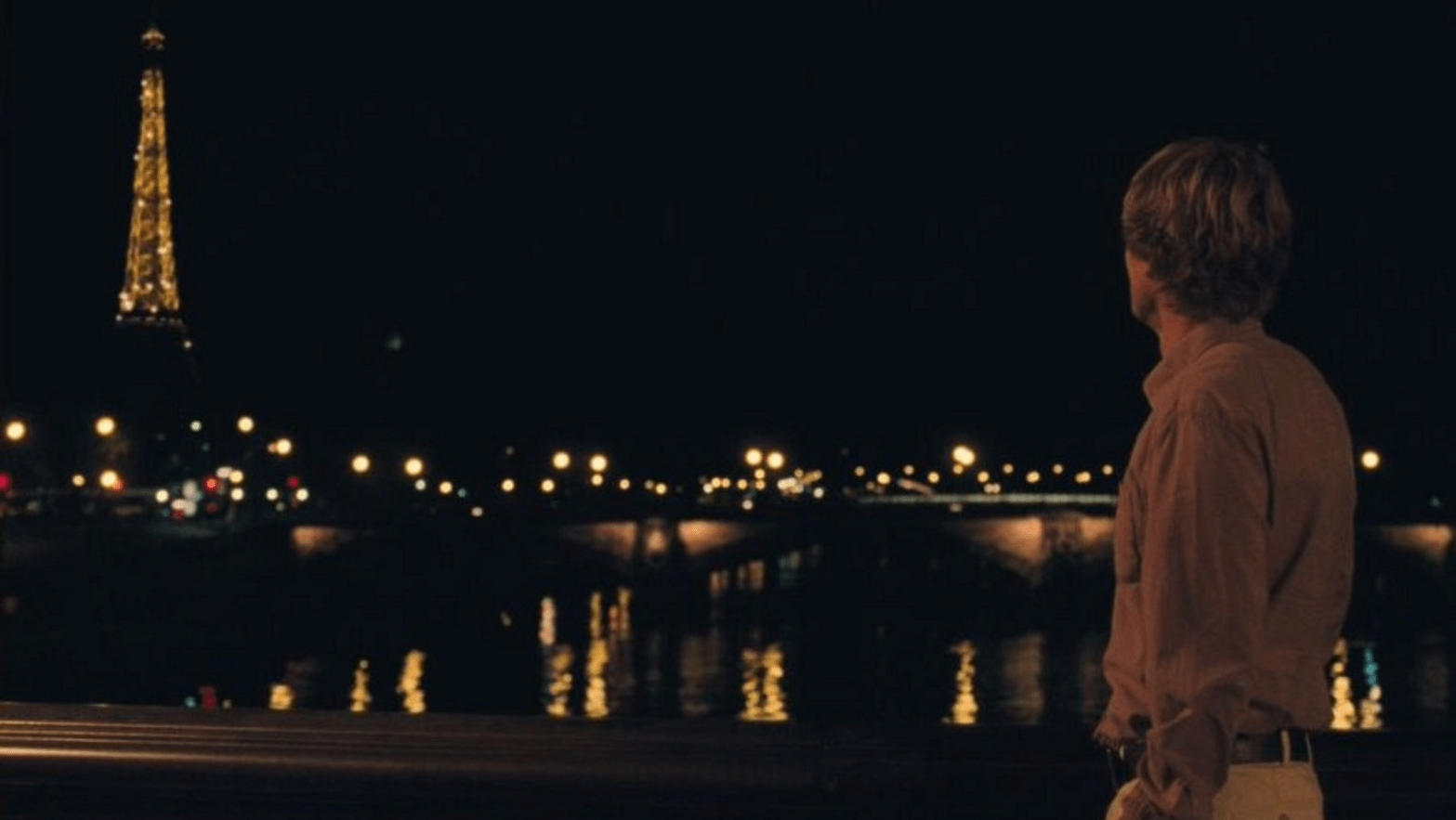
Woody Allen’s Midnight in Paris is a shimmering love letter to both the City of Light and the enchantment of the past. The storyline invites us to join Gil Pender, a wistful and slightly lost screenwriter (played with endearing vulnerability by Owen Wilson), as he tumbles through time into 1920s Paris. What makes this narrative sing is its balance—romantic yet bittersweet, humorous yet contemplative—it uses time travel not as a gimmick, but as a way to explore the universal longing for a golden age.
The casting is impeccable, rich with performances that breathe life into historical figures we’ve only imagined. Wilson’s earnest portrayal anchors the film, his wide-eyed fascination a perfect proxy for our own. Rachel McAdams is sharply compelling as Gil’s fiancée Inez, a character more grounded in materialism than his dream-driven yearning. Then there is the luminous Marion Cotillard, who plays Adriana, a muse aching for her own escape, adding layers of depth and allure to every scene she graces. Supporting roles, from Michael Sheen’s delightfully pretentious pseudo-intellectual to Corey Stoll’s magnetic Ernest Hemingway, are nothing short of masterful.
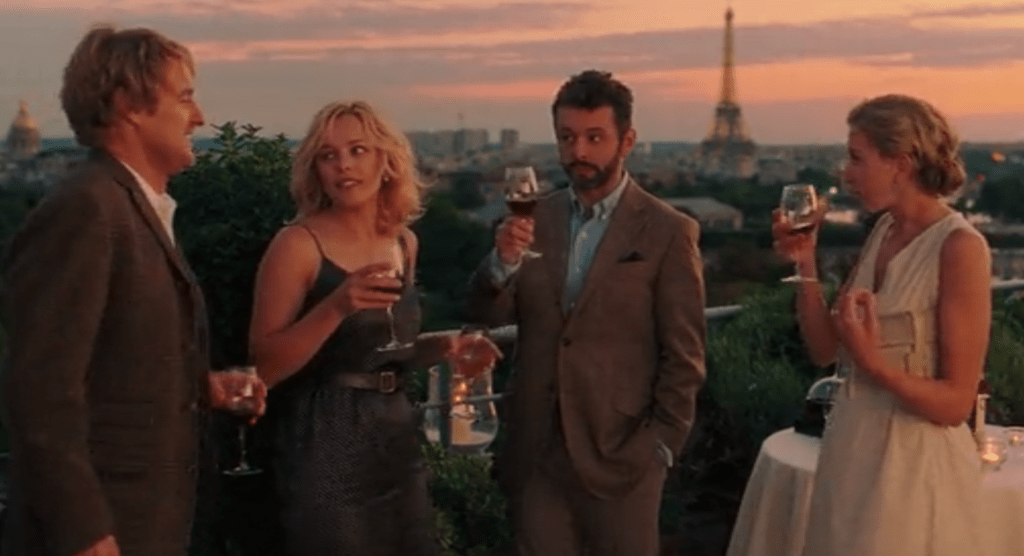
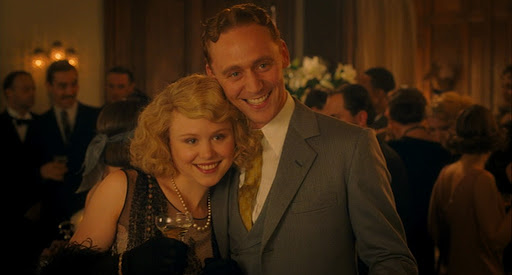
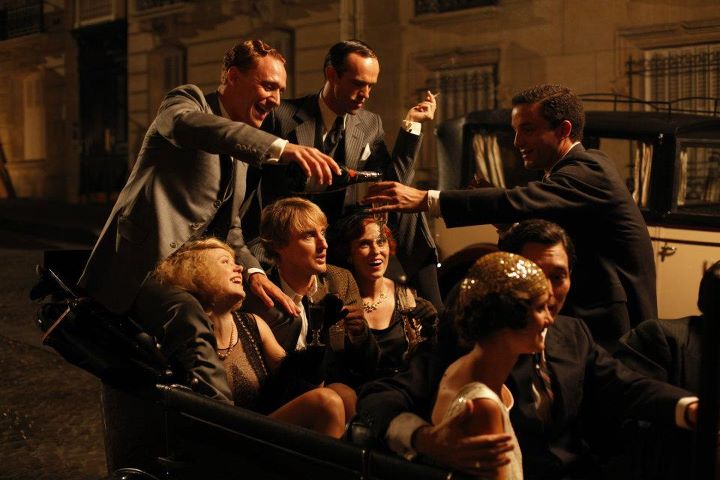
What truly sets Midnight in Paris apart is its mesmerizing roster of literary icons, brought to life with a deft mix of playfulness and reverence. Hemingway is bold and intoxicatingly intense, while F. Scott and Zelda Fitzgerald (Tom Hiddleston and Alison Pill) crackle with charm and tragedy. Interactions with Gertrude Stein, T.S. Eliot, and Salvador Dalí (in a whimsical cameo by Adrien Brody) burst vividly onto the screen, as if plucked straight from Gil’s most indulgent daydreams. Each encounter serves as a tribute to Paris as a mythic haven for art and creativity—a vortex of inspiration for anyone who’s felt the pull of its history.
It’s no wonder Midnight in Paris has captured the hearts of writers the world over. At its core, the film is a celebration of the creative spirit—the restlessness, the yearning, and the relentless pull toward beauty and meaning. Writers are drawn to the way Allen weaves the film’s themes of nostalgia and artistic longing into Gil’s story. That irresistible sense of belonging somewhere else, some other time, mirrors the struggles of storytellers who often walk the line between reality and imagination. The film doesn’t just beckon writers to take the leap; it affirms the value of their creative pursuits, even in the face of self-doubt or longing for something unreachable.
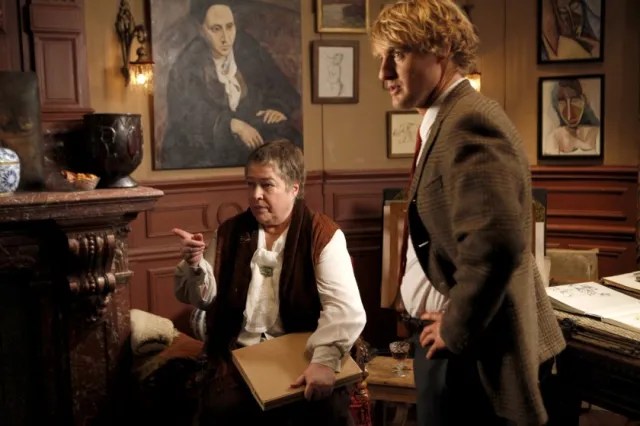
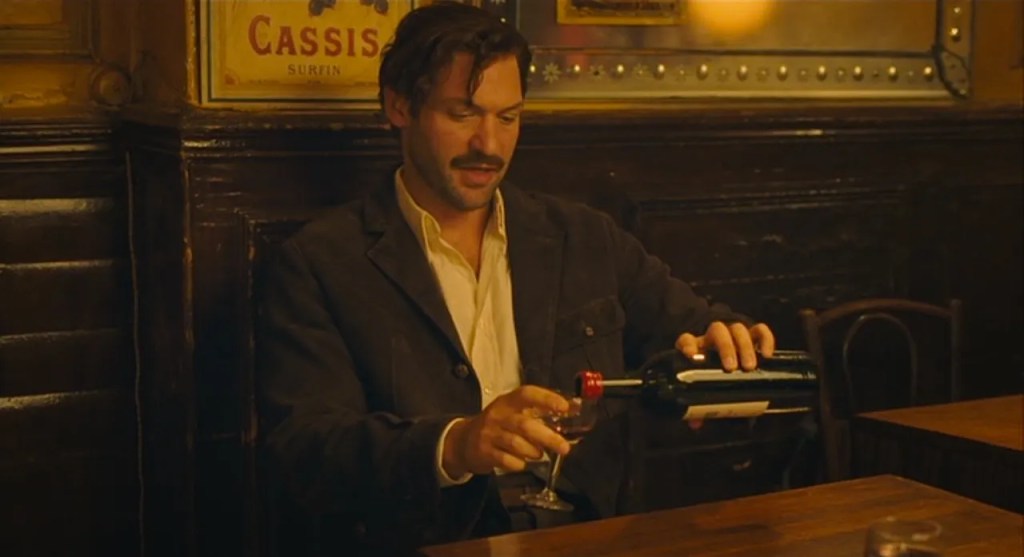
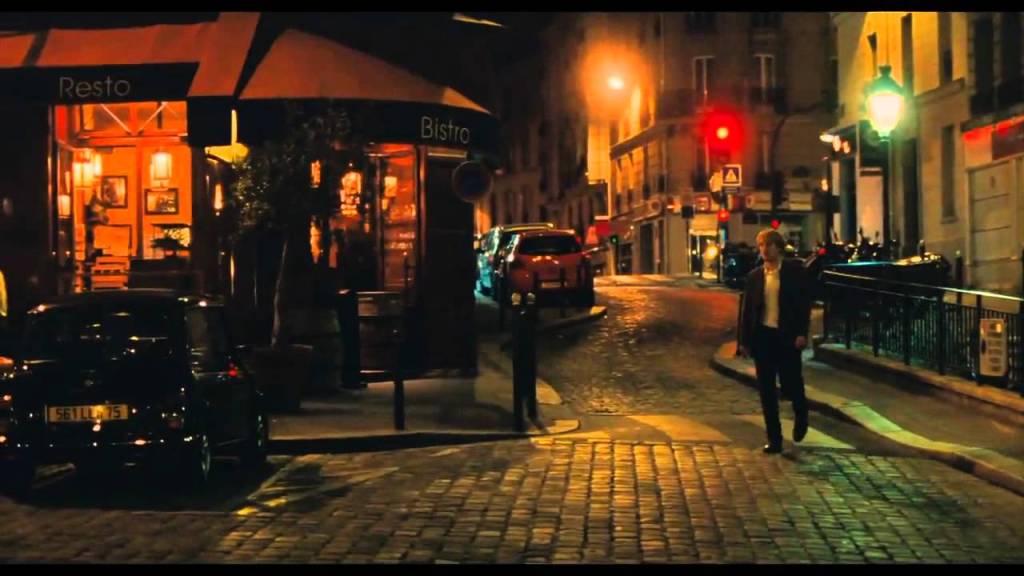
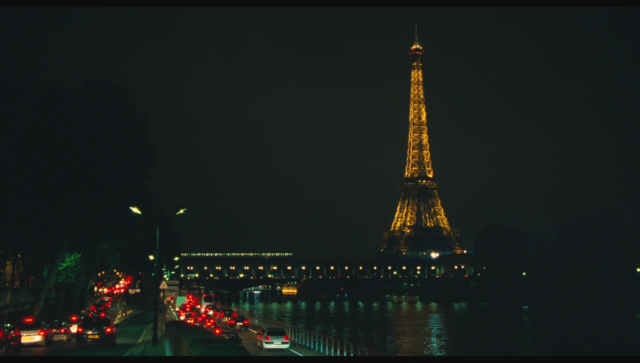
Paris plays co-star in this love affair between creativity and the past. The city is drenched in romance and intrigue, a shimmering canvas for inspiration. From the cobblestone streets glinting with rain to the dimly-lit cafés bustling with thought and debate, Midnight in Paris presents Paris not just as a place but as an idea, a living reminder of what art can accomplish. For writers, who often find themselves seeking solace or ignition in such spaces, the setting elevates the film to a state of near-catharsis. Paris becomes an unspoken character, offering the eternal promise of stories waiting to be uncovered.
The film’s exploration of literary legends further cements its appeal. Every writer has imagined themselves in conversation with their heroes—gleaning insights, sharing in the struggles of creation, or borrowing belief from another’s conviction. Watching Gil interact with Hemingway, Fitzgerald, and Gertrude Stein feels like a shared fantasy made real. It’s a world where wit sparkles in every exchange, where the past isn’t distant but alive, vibrant, and profoundly relatable. This deep celebration of writers as both creators of art and flawed, yearning individuals resonates with anyone who has ever picked up a pen in search of some deeper understanding.

Ultimately, Midnight in Paris leaves you asking whether nostalgia is an escape or a revelation, a refuge or a barrier. For writers, this question feels especially poignant. Is it the act of longing itself that fuels our creativity, or is it the realization that the only golden age is now? Allen doesn’t answer outright. Instead, he lets the film wander with open eyes, marveling at the past while recognizing the pull of the present. This delicate balance is part of what makes Midnight in Paris a masterpiece. It doesn’t just take you on a fantastical time-traveling adventure—it holds up a mirror to the writer’s soul, allowing you to walk away feeling seen, understood, and inspired.
This is not just a movie you watch—it’s one you feel. And if you’ve ever yearned for something timeless, or found solace in stories and histories not your own, you’ll find yourself walking alongside Gil, reveling in the beauty of “what once was” and the possibilities of what might still be. Such is the magic of Midnight in Paris: an ode to artistry, longing, and the endless dance between where we are and where we dream we could be.

Justine Castellon is a brand strategist with an innate ability to weave compelling narratives. She seamlessly blends her professional insight with her passion for literature. Her literary works include romantic drama novels—Four Seasons, The Last Snowfall, and Gnight Sara / ‘Night Heck. With her ability to tell stories that linger long after the last word, Justine leaves a mark not only in the world of branding but also in the hearts of her readers.


 Just Reading Nook