
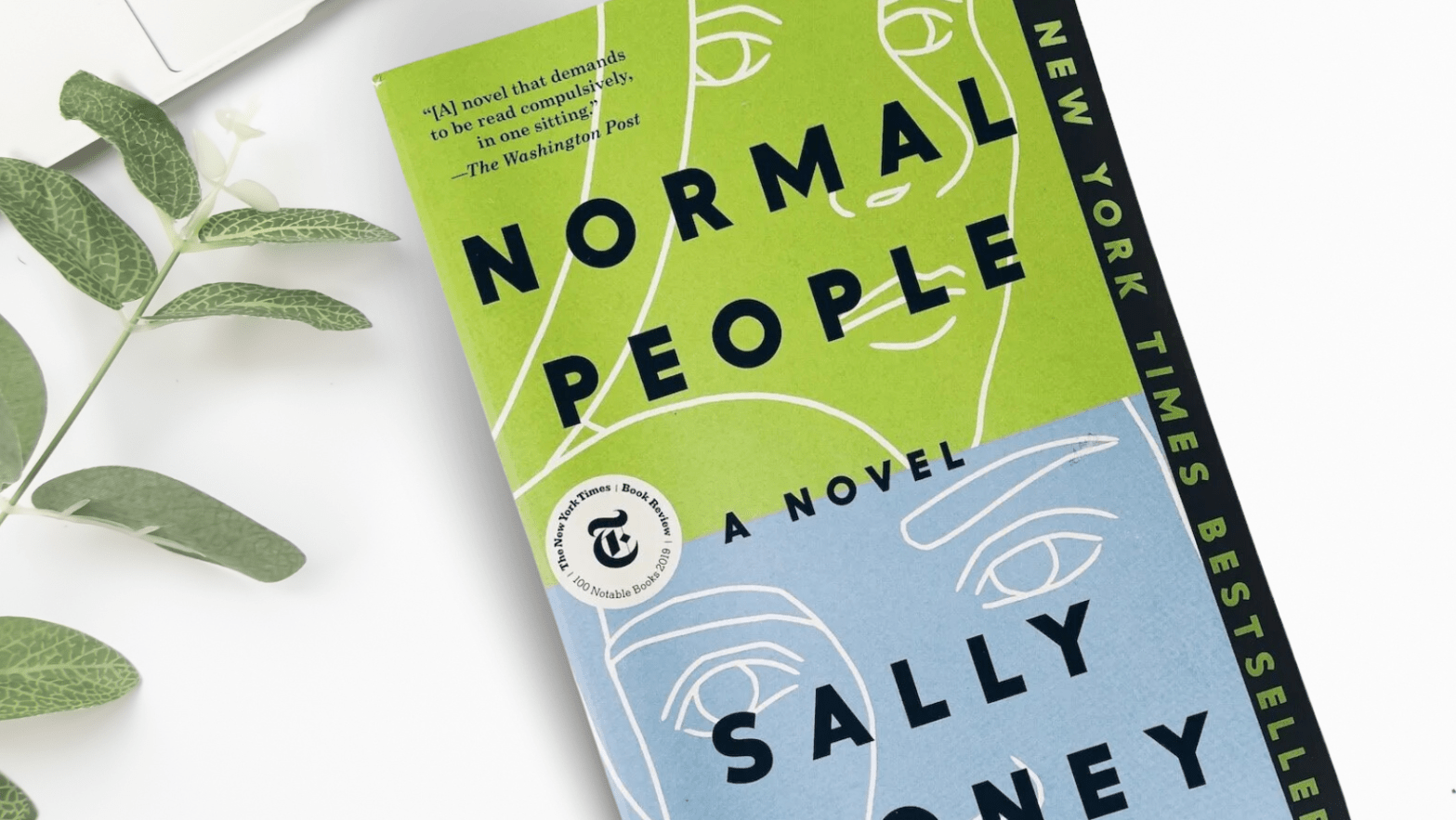
I know, I know—I’m embarrassingly late to the “Normal People” party, a party where everyone’s already deep in conversation about the depth of Rooney’s writing while I’m just now walking in awkwardly, clutching my unread copy. But better late than never, right?
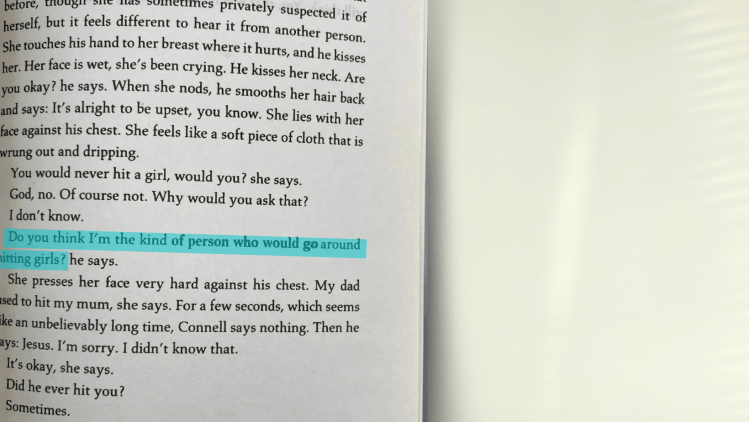
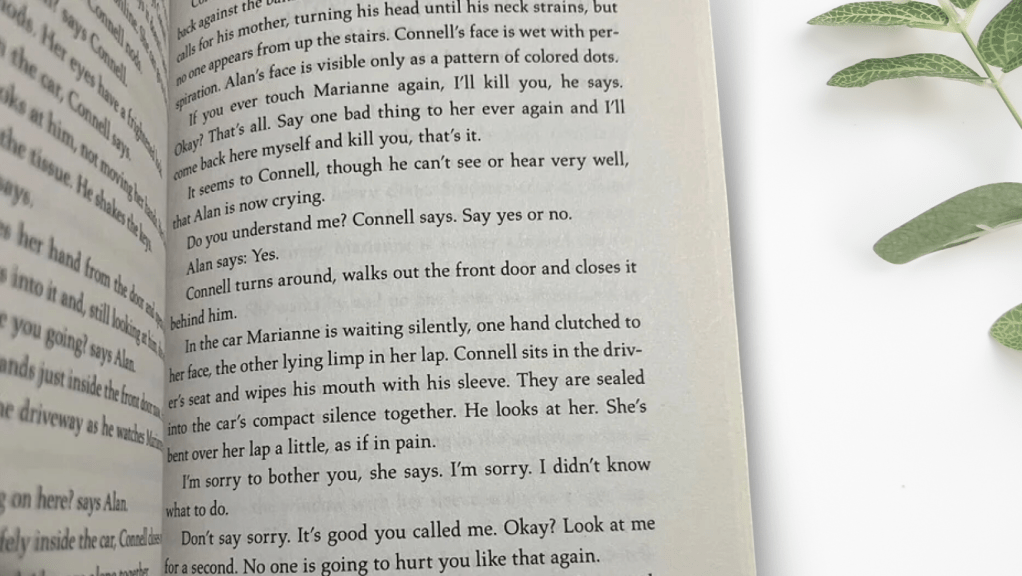
Let’s start with what threw me off right away: there are no quotation marks around the dialogue. None. Just people talking—but, like, in stealth mode. At first, it feels downright weird. Where does one character’s thought end and the next one’s words begin? It’s a bit disorienting, like learning a new language mid-paragraph. But here’s the thing—it grows on you. Rooney’s style makes you lean in, sharpen your focus, and before you know it, you’re so enmeshed in the story you hardly notice the punctuation rebellion anymore. Still, prepare for some mental gymnastics early on.
The story itself? That’s where Rooney really pulls you in. At its core, “Normal People” follows the on-again, off-again, sometimes-maybe-it’s-more relationship of Connell and Marianne. They first connect in high school—Connell, quiet and popular; Marianne, fierce and ostracized. Despite their differences, there’s this magnetic pull between them that’s as electric as it is messy. And oh boy, does it get messy. Over the years, as they move from their small Irish hometown to the halls of Trinity College in Dublin, their relationship shifts and recalibrates. Friends, lovers, strangers—it’s like they’re always orbiting each other, tied by an invisible thread.
“If people appeared to behave pointlessly in grief, it was only because human life was pointless, and this was the truth that grief revealed.”
What makes Rooney’s writing so gripping is her ability to capture the small but monumental moments that shape human connection. A glance, a poorly chosen word, the silence between sentences—she makes you feel it all. There’s nothing unnecessarily grand or dramatic here. It’s raw, stripped back, and, above all, real. Her prose is straightforward but loaded with undercurrents of emotion, and she doesn’t shy away from the awkward, messy truths of love and relationships.
What struck me most was how deeply readers can relate to Connell and Marianne, even as they frustrate you with their inability to just communicate already. Connell wrestles with self-doubt and the fear of not fitting in, while Marianne struggles to believe she deserves love. Their experiences bring up universal questions about identity, insecurity, and how the people we love shape us—sometimes for better, sometimes not. Maybe you’ve never been in their exact situations, but you’ve undoubtedly felt their emotions.
“Normal People” isn’t just a love story. It’s a study of who we are when we’re with someone else and who we become when we’re alone. Rooney’s talent lies in making you see yourself reflected in the characters, even in their flaws and fumbling attempts at happiness. Sure, the lack of quotation marks might trip you up. But trust me, it’s worth stumbling through because what’s waiting underneath is achingly beautiful, bittersweet, and, well, remarkably normal.

Justine Castellon is a brand strategist with an innate ability to weave compelling narratives. She seamlessly blends her professional insight with her passion for literature. Her literary works include romantic drama novels—Four Seasons, The Last Snowfall, and Gnight Sara / ‘Night Heck. With her ability to tell stories that linger long after the last word, Justine leaves a mark not only in the world of branding but also in the hearts of her readers.


 Just Reading Nook