
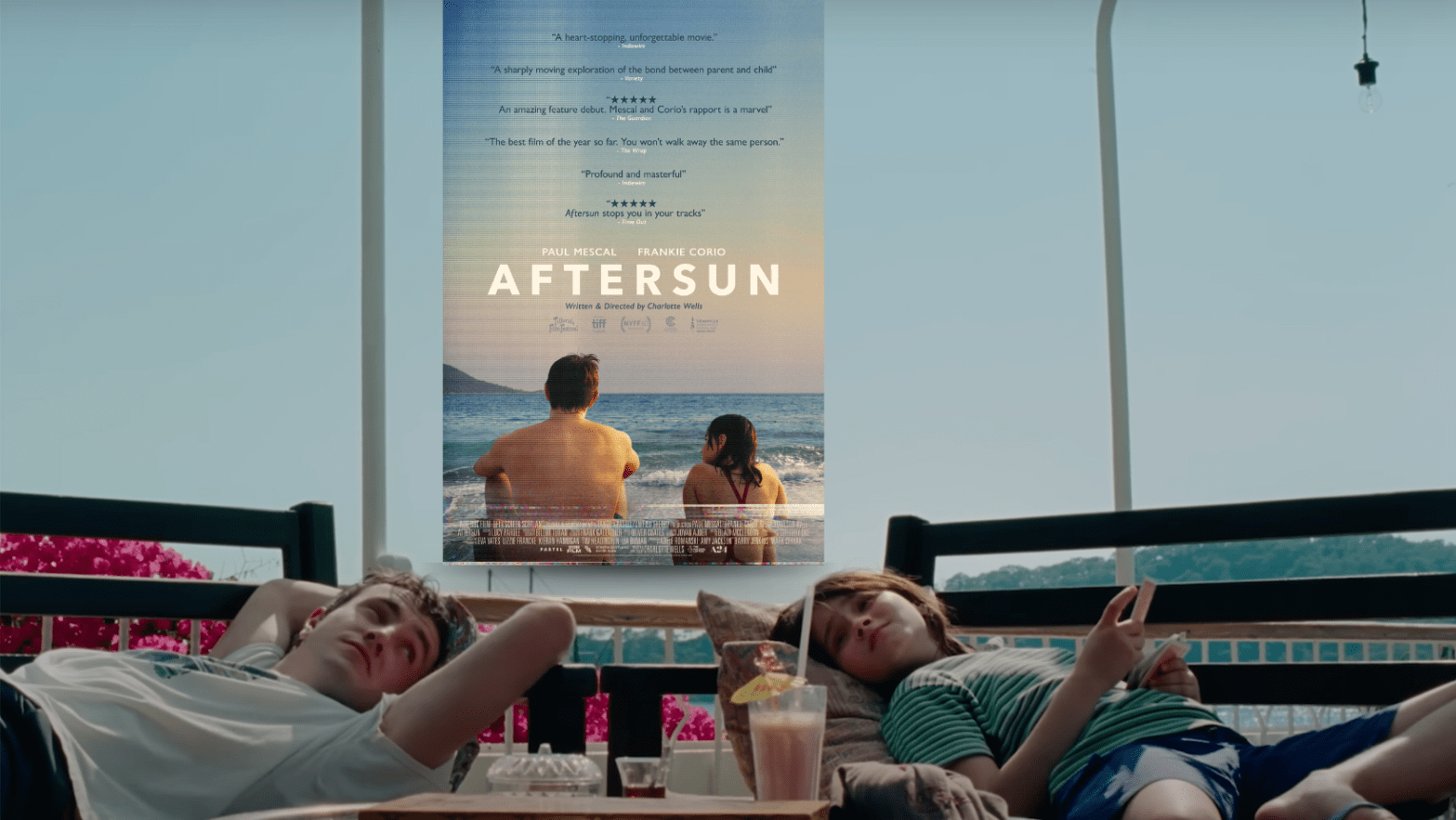
“Aftersun” is a cinematic emotional journey that will leave you feeling heartbroken and hopeful at the same time. Directed by Charlotte Wells and brought to life by the exceptional Paul Mescal, this film tells a heartbreaking tale of Sophie, an 11-year-old girl on holiday with her father. Throughout the film, you’ll find yourself drawn into the intricate dynamics of their relationship while delving deep into the often-overlooked theme of mental health.
I remember vividly the first time I watched “Aftersun.” It was the other day, when my attention was intermittently stolen by annoying reply on my Twitter post. My mood, already soured, led me to view the film not with the open-mindedness of an objective viewer but through the protective lens of a mother. My initial reactions were dominated by concern, “What about the mother? How could she allow her 11-year-old daughter, in such formative years, to go on a holiday with her father without assessing his mental well-being?”
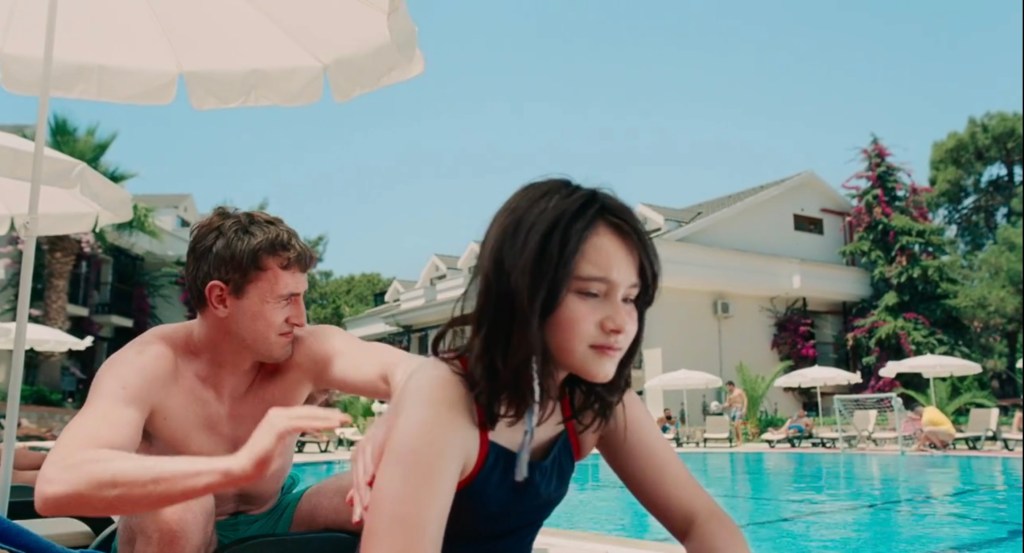
However, someone soon reminded me that a phone call was made to the mother from a payphone –– a relic of the pre-mobile phone era. The film’s period became apparent: the late 80s or early 90s, suggested by the nostalgic color grading, vintage fashion, the melodic soundtrack, and the use of bulky video recorders and old-fashioned CRT televisions.
Despite these contextual clues, I found myself struggling with the portrayal of the father’s carelessness. His relaxed approach to parenting allowed his young daughter to wander with older teenagers, even letting her outside on her own until the wee hours. A particularly distressing scene showed him so inebriated that Sophie had to sleep outside until a kindly receptionist gave her a room key. Upon entering their hotel room, she was confronted with the sight of her father, passed out and completely naked. It was a stark depiction of parental irresponsibility that left me profoundly disturbed.
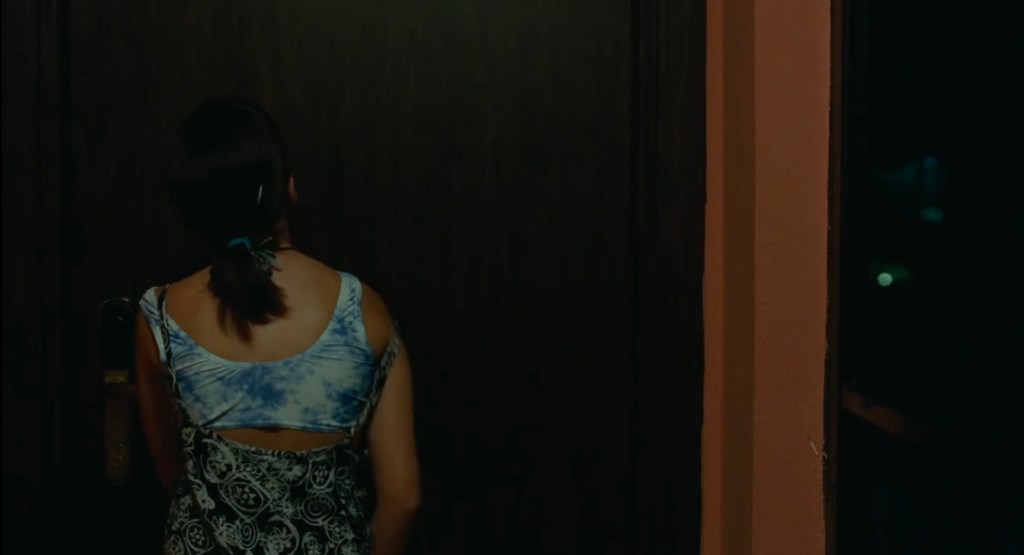
But today, on a day that had already been painted with strokes of gloom, my not-so-good day, I decided to dive back into the turbulent waters of “Aftersun.” My world seemed to have crumbled before my eyes, and there was little I could do to rebuild it. So, I chose to surrender to the gloominess by watching the film again.
This time, however, my viewing was marked by a deeper understanding of the film’s complexities. I found myself drawn into its delicate portrayal of depression, and the climactic ending that leaves you teetering on the edge of uncertainty.
The film begins with an adult Sophie, rewinding and watching old footage of her and her father, Calum, on a shared birthday holiday when she was merely 11. As the film transitions into a flashback, we see them immersed in the joys of their vacation. But as the days unfold, the coating of happiness begins to chip away, revealing the fractures in their relationship. This becomes particularly evident as we discover Calum’s silent battle with depression and his ensuing struggle to connect with his daughter. The film’s exploration of mental health is remarkably subtle yet powerful, shedding light on the complexities of depression and how it can affect family dynamics.

Parallel to Calum’s struggle, Sophie finds herself navigating the confusing maze of emerging adolescence. Her encounters with young love and flourishing sexuality are sadly portrayed. She observes teenagers sharing intimate kisses, and at one point, she witnesses two men passionately locked in an embrace. These scenes present a vivid depiction of a young girl grappling with the awakening of her own sexuality amidst the turmoil of her father’s mental health issues.
In one of the film’s most emotionally charged scenes, Sophie and Calum find themselves swaying to the melancholy strains of David Bowie’s “Under Pressure.” The raw intensity of the moment is amplified as their dance becomes a silent dialogue, a desperate attempt at connection. Sophie’s eyes, wide and filled with profound sadness, mirror her confusion as she grapples with her father’s unspoken turmoil. This heart-wrenching scene swings between Sophie’s childhood innocence at 11 and her adult self, drawing us deeper into the web of her memories. It’s a cinematic moment that perfectly encapsulates the feeling of being adrift and lost amidst familiar faces. I know someone who said there was one time he couldn’t listen to this song without remembering this scene. Now I get it. At some point, this is really going to break you. This scene has the potential to shatter your heart into a million pieces.
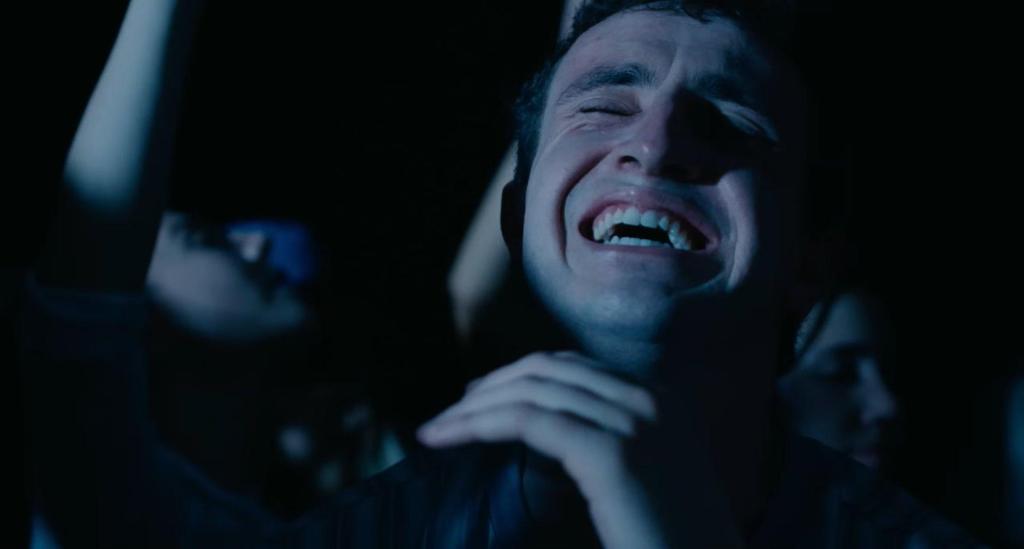
As the narrative unfolds, we witness the gradual erosion of Sophie and Calum’s relationship. The tension escalates, culminating in an unclear ending that leaves viewers teetering on the edge of uncertainty. Calum records a final video of Sophie before she boards her plane home, then exits the frame, leaving us wondering about his fate. Did he succumb to his depression? Or did he choose to start afresh elsewhere? The narrative then pivots back to adult Sophie, her face registering shock as she watches the video. It’s a gut punch of an ending that is open for interpretation and leaves a lasting emotional imprint.
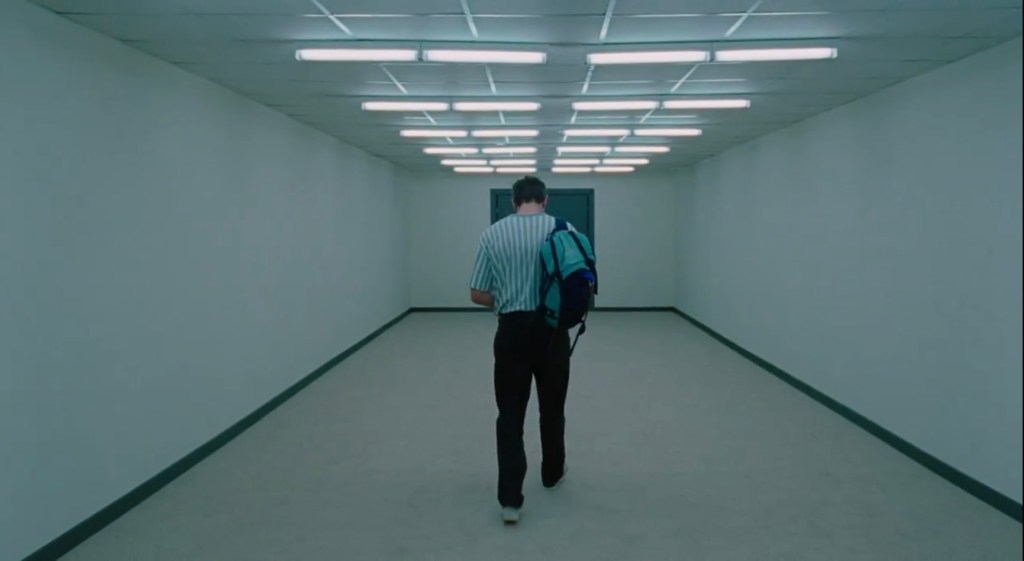
Your perspective of “Aftersun” is likely to be influenced by your personal circumstances. If you’re content and stable, you might initially blame Calum and his ex-wife, much like I did. However, if you’re grappling with emotional lows or battling depression, the film will echo your experiences and may resonate deeply, perhaps even painfully.
“Aftersun” is a cinematic masterpiece that navigates the heartrending and the cathartic in equal measure. Despite its limited budget, it excels in its nuanced exploration of complex themes such as mental health and familial dynamics, leaving viewers profoundly moved. The cast delivers stellar performances, with Paul Mescal’s portrayal of Calum standing out for its emotional depth and complexity. If you’re seeking a film that challenges your emotional boundaries and provokes thoughtful introspection, “Aftersun” is a must-watch. However, for me, it’s a film I’d hesitate to revisit, simply because the emotional toll was too great.

Justine Castellon is a brand strategist with an innate ability to weave compelling narratives. She seamlessly blends her professional insight with her passion for literature. Her literary works include romantic drama novels—Four Seasons, The Last Snowfall, and Gnight Sara / ‘Night Heck. With her ability to tell stories that linger long after the last word, Justine leaves a mark not only in the world of branding but also in the hearts of her readers.


 Just Reading Nook