
Michael Ondaatje’s Anil’s Ghost transports us to Sri Lanka
in a documentary rather story telling format.
Anil Tissera is a Sri Lankan forensic anthropologist sent by the U.N. to investigate a number of murders on the island. As she explores a 6th century site, she dug up a skeleton of a man which seems more recent than the rest of pieces in the location. With the help of an archaeologist Sarath and an artist, they set out to reconstruct its identity which they nicknamed “Sailor”. Given the makeup of where the body was found, the evidence points to the involvement of the government.
“You’re an archaelogist. Truth comes finally into the light. It’s in the bones and sediment. It’s in character and nuance and mood. That is what governs us in our lives, that’s not the truth. For the living it is the truth.”
-Sarath
Anil’s team faces with so many challenges including distrust and delays, but they eventually produce the likeness of Sailor. With the sculpted face in her possession, Anil plans to bring her allegations to the authorities. Then suddenly the remains disappeared and her research project is confiscated. Sarath appeals to her to come up with a fake report and to leave the country immediately. What follows is an interesting story propelled by a riveting mystery.
“Even if you are a monk, like my brother, passion or slaughter will meet you someday. For you cannot survive as a monk if society does not exist. You renounce society, but to do so you must first be a part of it, learn your decision from it. This is the paradox of retreat. My brother entered temple life. He escaped the world and the world came after him. He was seventy when he was killed by someone, perhaps someone from the time when he was breaking free — for that is the difficult stage, when you leave the world.”
–PALIPANA
In this novel, Ondaatje introduces other interesting characters like Gamini, Sarath’s younger brother, a physician abducted by rebel insurgents. There’s also Sarath’s former teacher Palipana, a respected interpreter of ancient ruins and the sculptor Ananda, a former drunk worker turned artist. Anil’s Ghost is not your typical Odaatje. Maybe that’s one of the reasons why some are not so thrilled with this novel.

Michael Ondaatje’s Writing Style
Ondaatje’s style is nothing short of masterful. Known for his poetic approach to language, he weaves a tapestry of lyrical beauty and raw emotion in every sentence. His descriptions are almost painterly, capturing not just the physical landscape of Sri Lanka but its emotional and historical textures.
The narrative structure of Anil’s Ghost is fragmented, much like the lives of its characters and the nation at its center. Ondaatje moves seamlessly between timelines, memories, and perspectives, a technique that reflects the disorientation of war and the elusiveness of truth. For some, this nonlinear storytelling might feel challenging, but it mirrors the very themes the novel seeks to explore—how can one uncover the truth in a world where everything is fractured?
Ondaatje also excels at subtlety. He doesn’t spoon-feed the reader; instead, every detail is carefully chosen, every word loaded with meaning. Conversations are often elliptical, gestures speak louder than words, and silences carry the weight of what cannot be said. This makes the book an engaging and immersive read, as readers are invited to piece together the story alongside the characters.
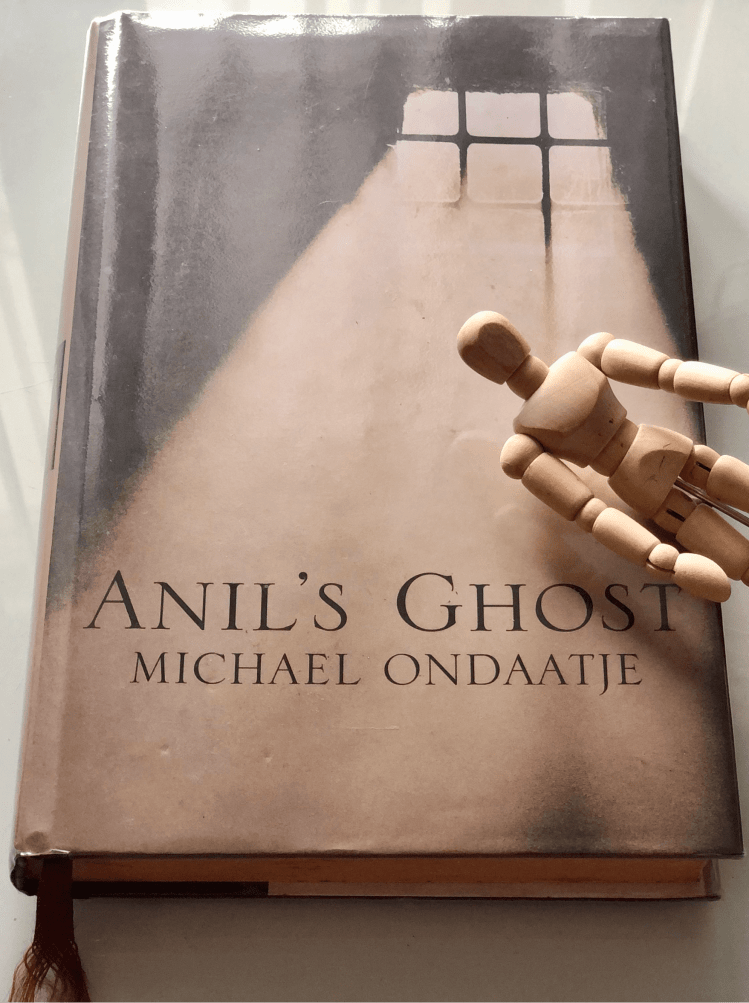
What Makes Anil’s Ghost Captivating?
The Themes of Truth and Identity
At its core, Anil’s Ghost is a meditation on truth—both personal and collective. Anil is not only searching for the identity of Sailor but also grappling with her own estrangement from her homeland. How does one reconstruct identity in a place scarred by war? The novel deftly explores this question, offering no comforting answers but instead compelling the reader to reflect.
The Interplay of Art and Science
One of the most fascinating aspects of the book is how Ondaatje juxtaposes science and art as tools for understanding human suffering. Anil relies on forensic evidence to make sense of death, while characters like Ananda turn to art to cope with loss. These contrasting yet complementary approaches highlight the multifaceted nature of truth and healing.
The Impact of War on the Human Spirit
The novel doesn’t shy away from depicting the devastating effects of war on both individuals and communities. Ondaatje humanizes the conflict by focusing on small, intimate stories rather than numbers or politics. Through characters like Ananda and Gamini, readers witness the quiet, persistent ways people endure and rebuild amid chaos.
The Atmosphere and Setting
Ondaatje brings Sri Lanka to life in all its complexity—its stunning natural beauty, its ancient cultural heritage, and the simmering violence that threatens to tear it apart. The juxtaposition of beauty and brutality underscores the novel’s central tension, making the setting as much a character as Anil or Sarath.
Ondaatje’s Poetic Prose
Reading Anil’s Ghost is an experience akin to reading poetry. The rhythm of Ondaatje’s language, the vivid imagery, and the emotional resonance of his words create a reading experience that feels both intellectual and visceral. It’s a book that lingers with you, demanding to be pondered long after you’ve finished it.


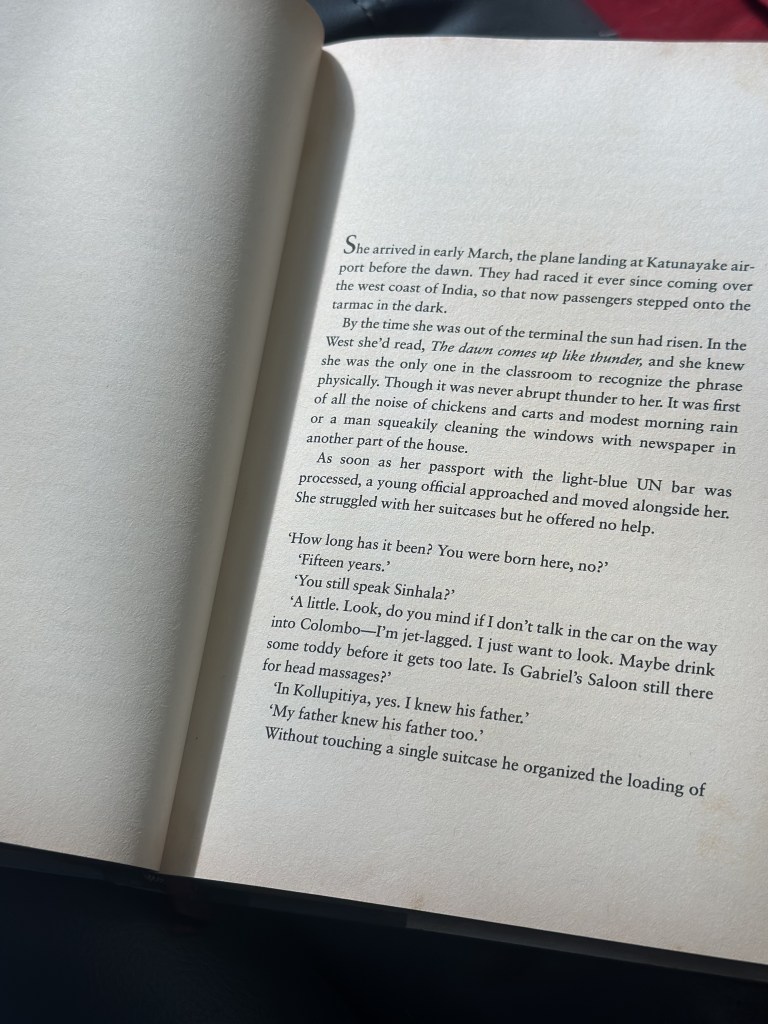
Why Readers Should Pick Up Anil’s Ghost
Anil’s Ghost is a novel that transcends genres. Part mystery, part historical drama, and part philosophical exploration, it appeals to readers with an appreciation for beautifully crafted prose and profoundly human stories. It challenges without alienating, offering a reading experience that feels deeply rewarding.
For those interested in the intersection of history, politics, and personal identity, the novel’s exploration of Sri Lanka’s civil war provides a compelling and thought-provoking context. And for anyone who has grappled with questions of belonging, memory, or what it means to confront the past, Anil’s story will resonate on a deeply emotional level.
Michael Ondaatje invites readers to sit with the discomfort of unanswered questions, to look beyond the surface of events and into the human lives shaped by them. It is in this willingness to dwell in ambiguity that Anil’s Ghost finds its power. This is not a book to be rushed through—it is a book to be savored, reflected on, and revisited.
Anil’s Ghost transports us to Sri Lanka in a documentary rather story telling format. Totally different from my favorite The English Patient. Here Ondaatje put more weight on the political climate of his homeland than the lives of the characters (which is very important to me). Still, it was well written and at some point it demands my fullest attention.

Justine Castellon is a brand strategist with an innate ability to weave compelling narratives. She seamlessly blends her professional insight with her passion for literature. Her literary works include romantic drama novels—Four Seasons, The Last Snowfall, and Gnight Sara / ‘Night Heck. With her ability to tell stories that linger long after the last word, Justine leaves a mark not only in the world of branding but also in the hearts of her readers.


 Just Reading Nook